DOG BEHAVIOR
Why Do Dogs Sniff So Much on Walks?
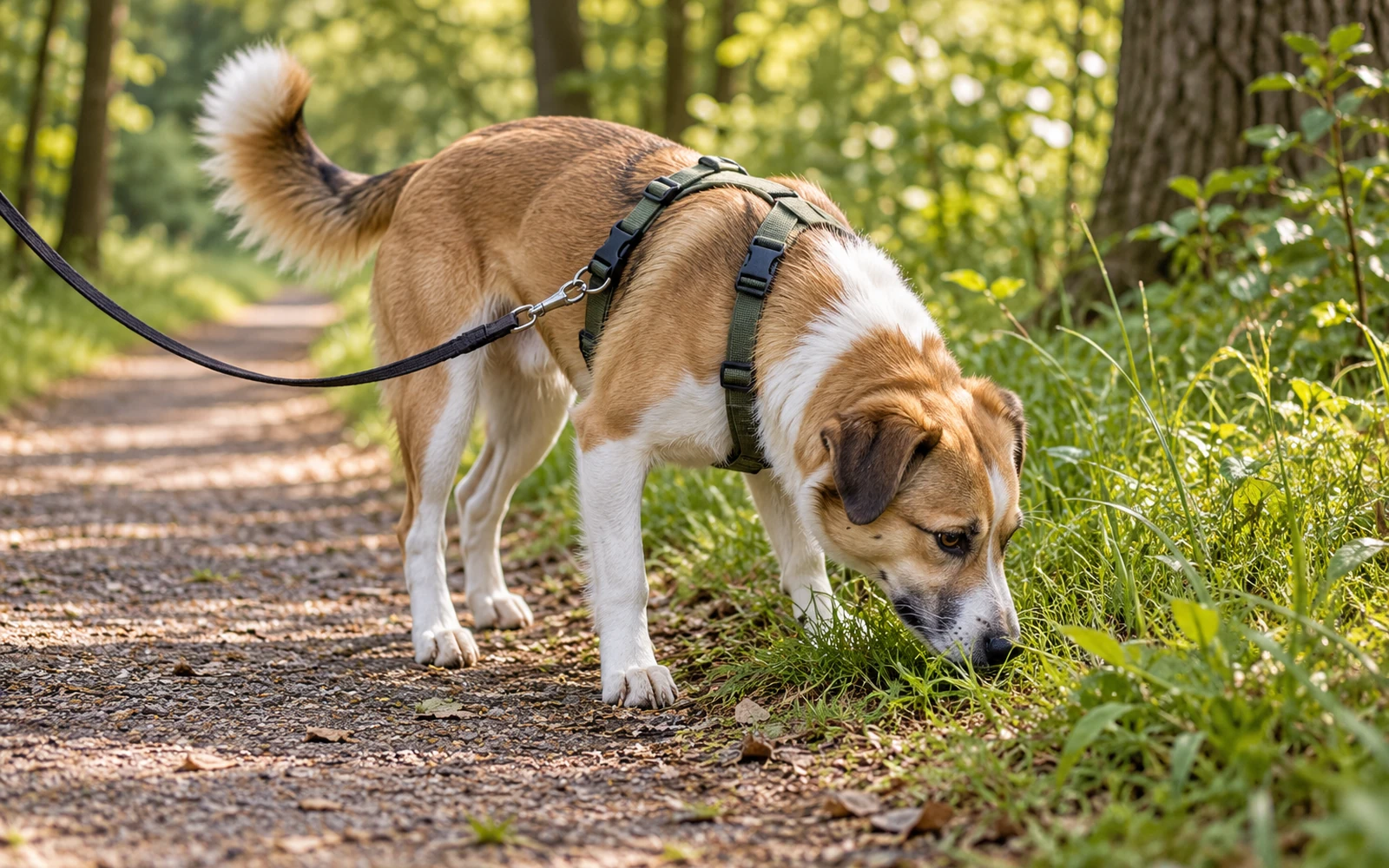
Why familiar spots attract your dog, how to handle sniffing stops safely and what research on scent activities actually shows.
Read guideDOG BEHAVIOR
Evidence-led guides to understanding dog behavior, body language, emotions, communication, and common behavior patterns.
START HERE
Read the whole dog in context instead of assigning fixed meanings to isolated signals, then use changes in tension, movement and distance to guide your next step.
Start with this guidePRACTICAL GUIDES
DOG BEHAVIOR
Why familiar spots attract your dog, how to handle sniffing stops safely and what research on scent activities actually shows.
Read guideDOG BEHAVIOR
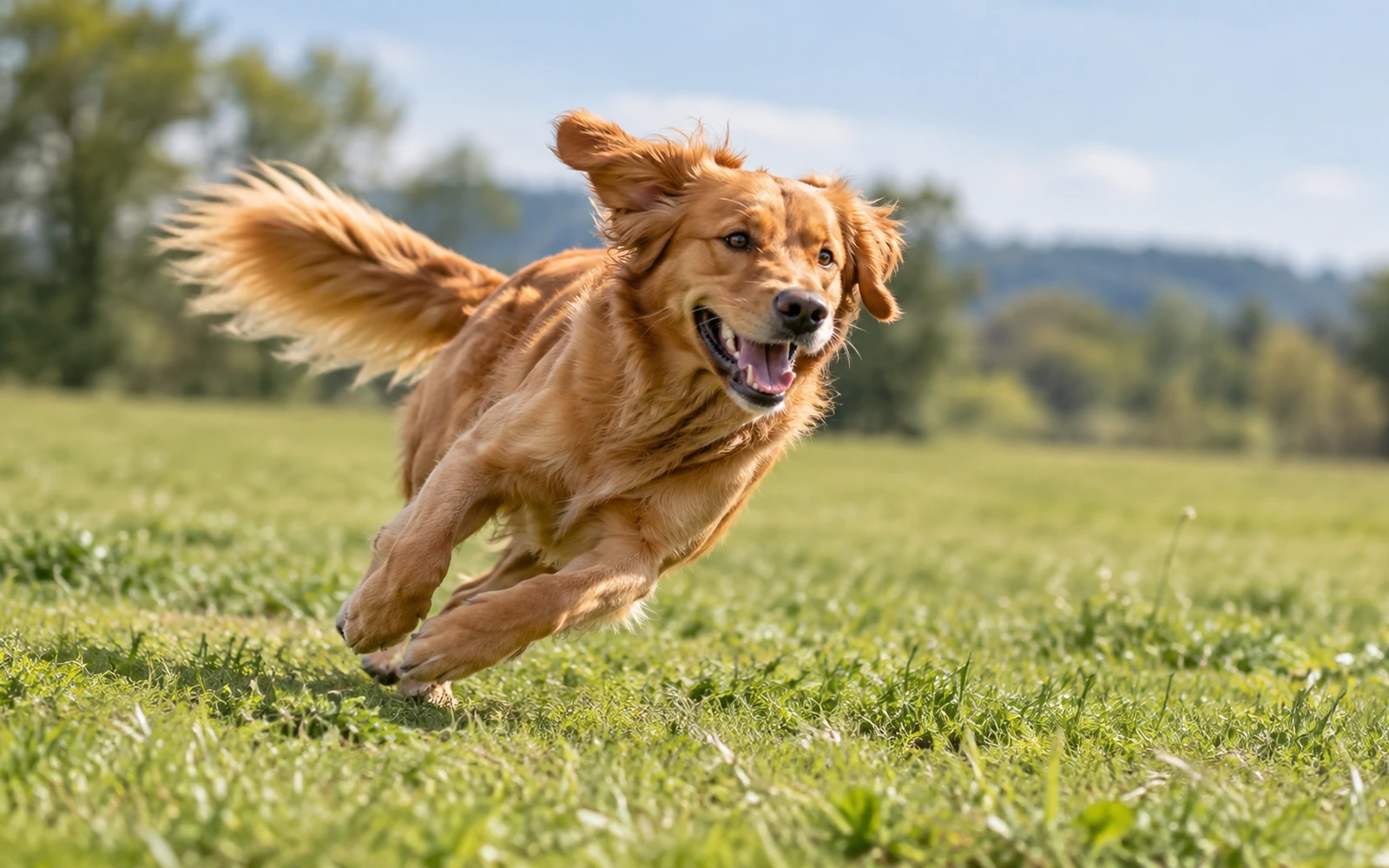
Zoomies are usually normal, but there is no single proven cause. Context and body language matter more than any one popular explanation.
Read guideDOG BEHAVIOR
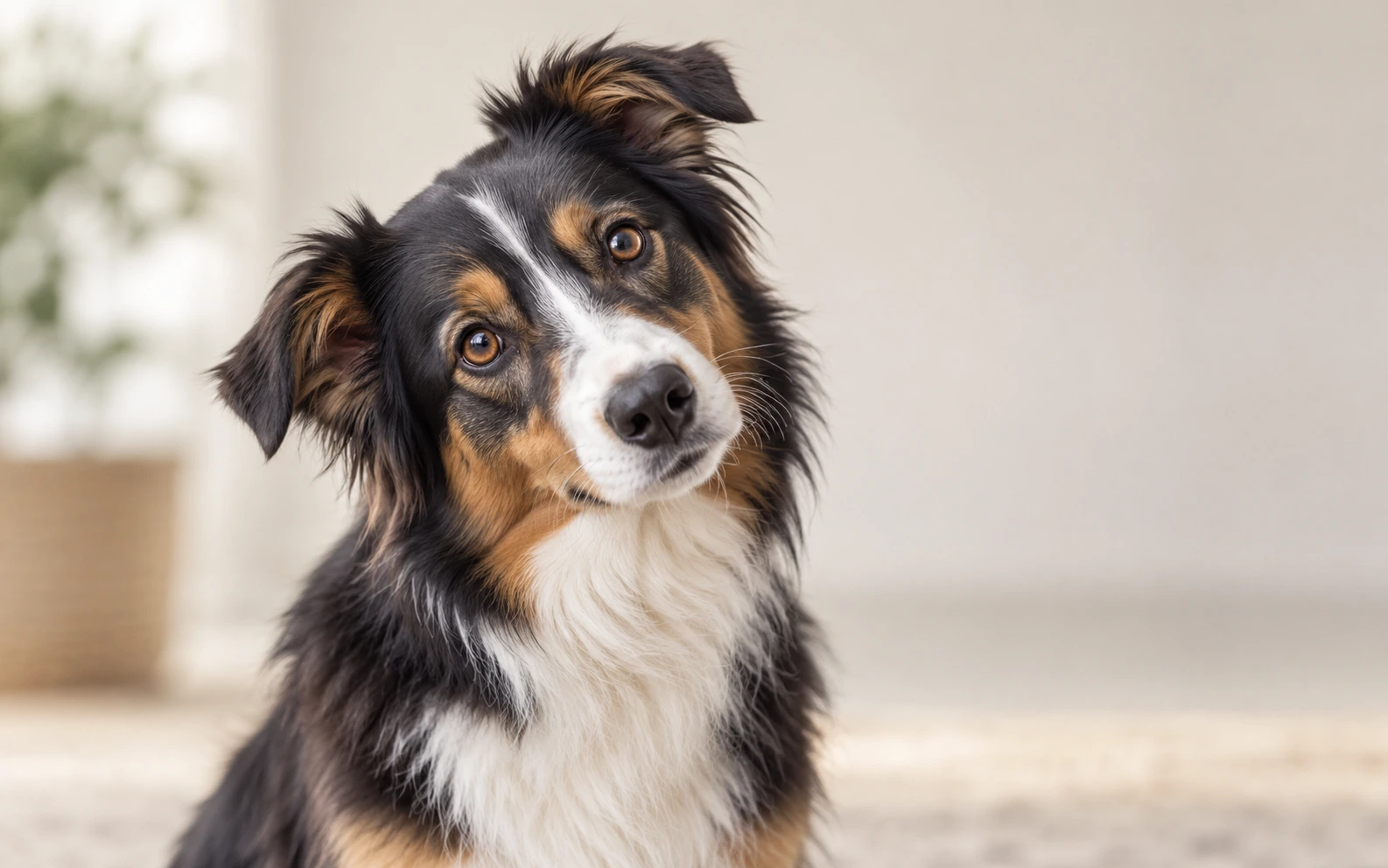
The familiar cocked-head pose is scientifically interesting because its everyday function is still unresolved; the strongest canine evidence comes from a narrow word-learning task.
Read guideDOG BEHAVIOR
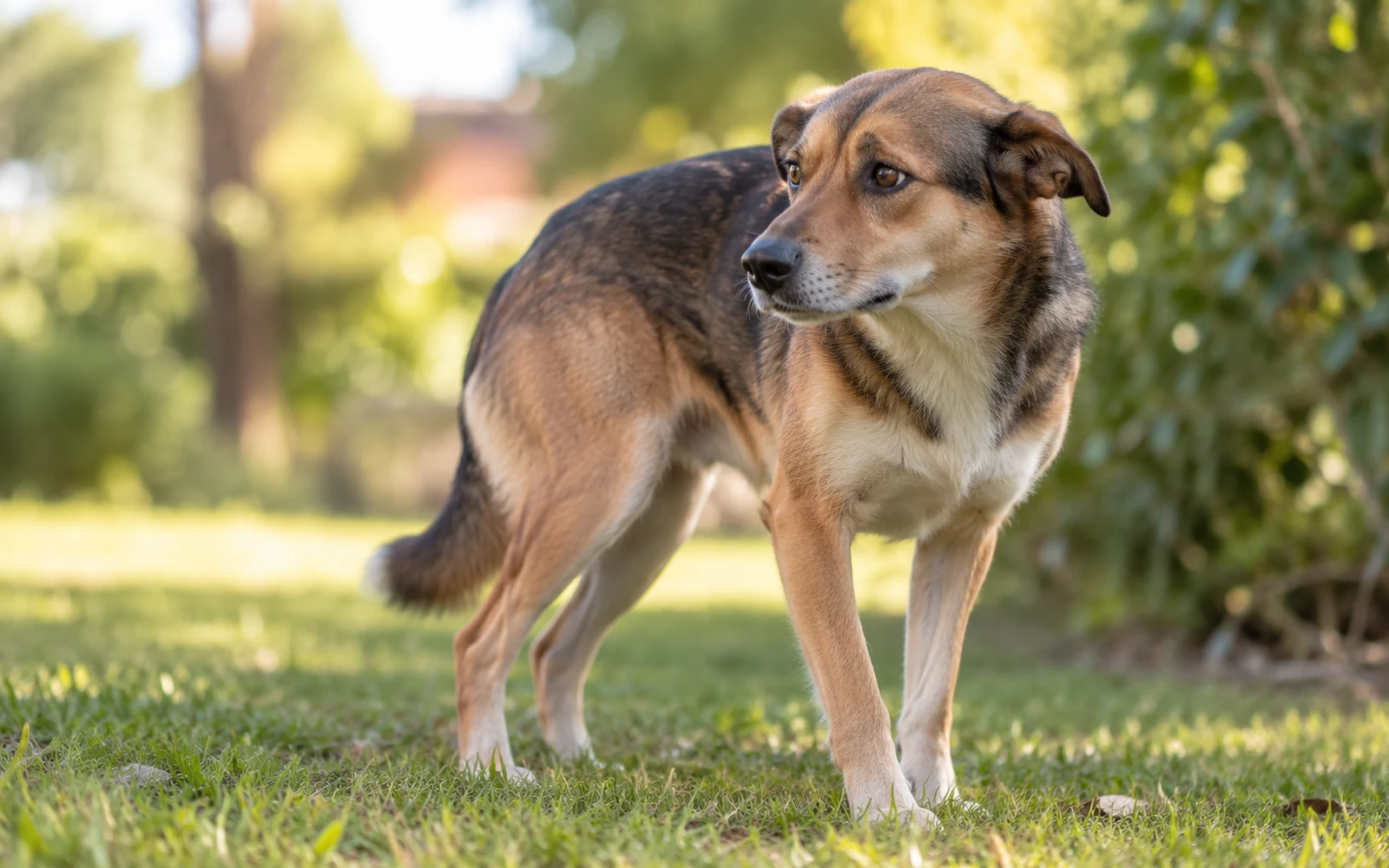
Stress is easier to use when you track several changes together, connect them to a trigger and watch what happens after you reduce pressure.
Read guideDOG BEHAVIOR
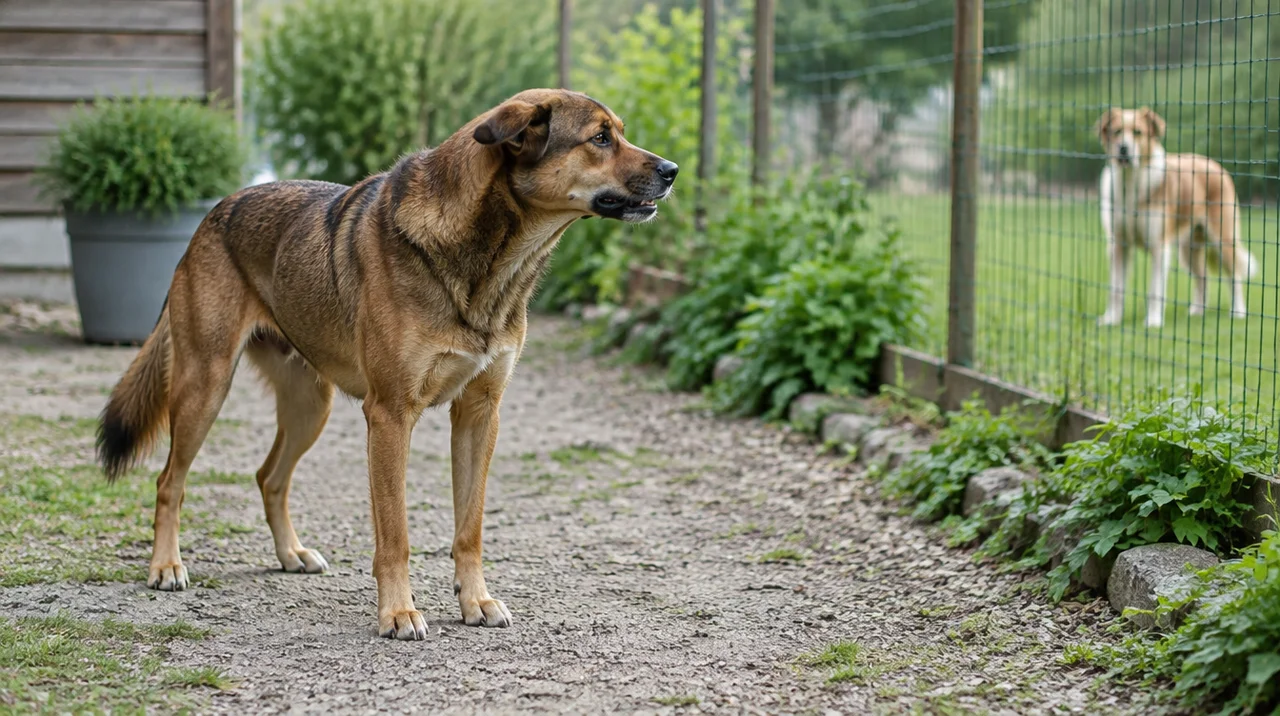
A growl is information, not a diagnosis. Its meaning depends on what happened just before it, the dog’s whole body and whether the interaction stays loose or becomes tense.
Read guideDOG BEHAVIOR
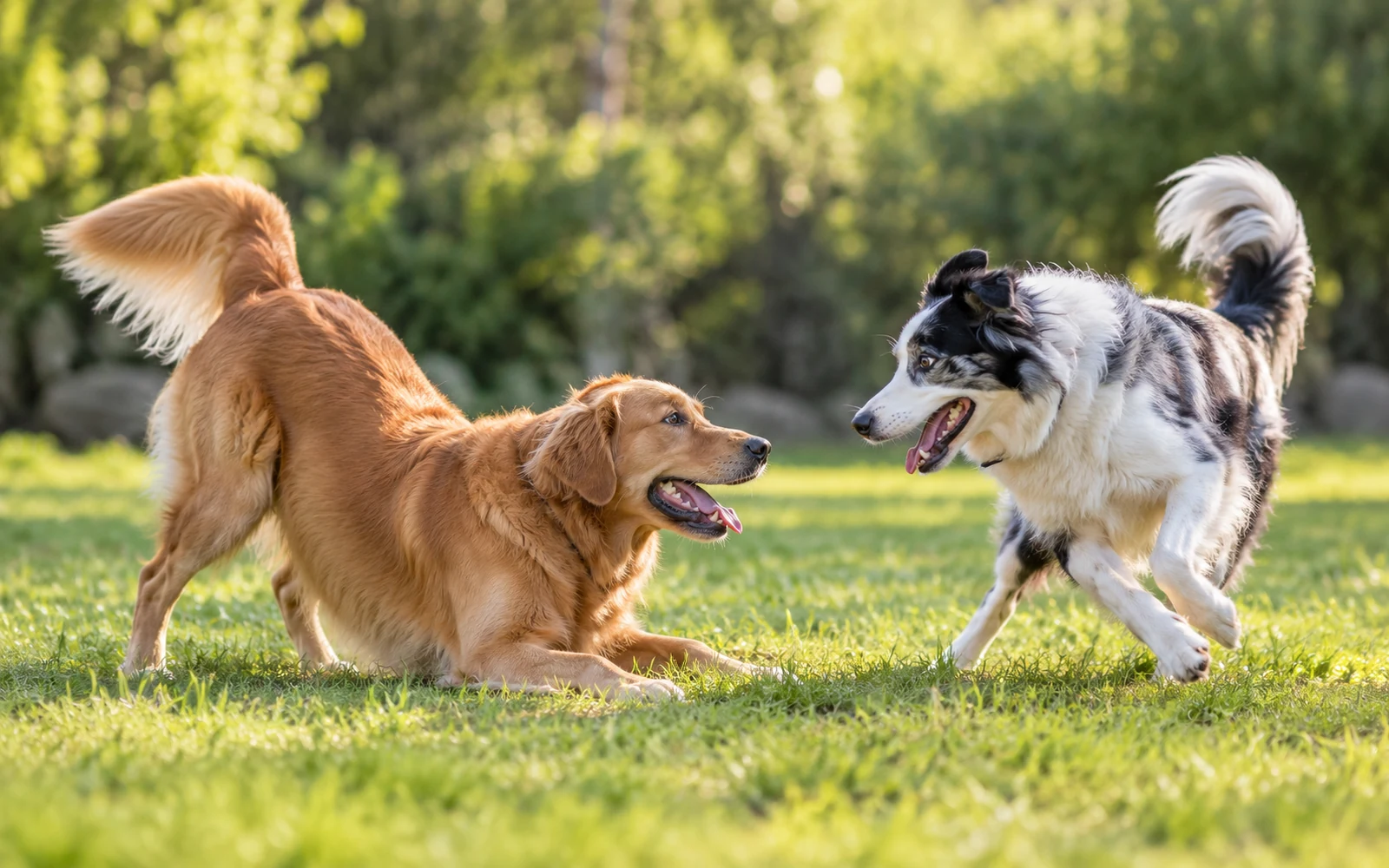
Healthy play is defined less by how rough or noisy it looks than by choice, flexibility, workable pauses and whether both dogs keep choosing the interaction.
Read guide