Quick answer
Healthy dog play can be loud, physical and surprisingly rough. Judge the interaction by the whole pattern: loose, exaggerated movement; voluntary pauses; the ability to disengage; and repeated choices by both dogs to continue. Role changes and self-handicapping can support play, but perfectly equal “50:50” play is not required. Step in when bodies become stiff, one dog repeatedly tries to leave, pauses disappear or the interaction keeps intensifying without a reset.
Decision guide
Use the interaction pattern to decide whether to continue, pause or end the play bout.
| During play | What it suggests |
|---|
| Loose bodies, curved movement, voluntary pauses | The interaction is likely still flexible |
| Roles sometimes change and both dogs repeatedly re-engage | Mutual interest is still present |
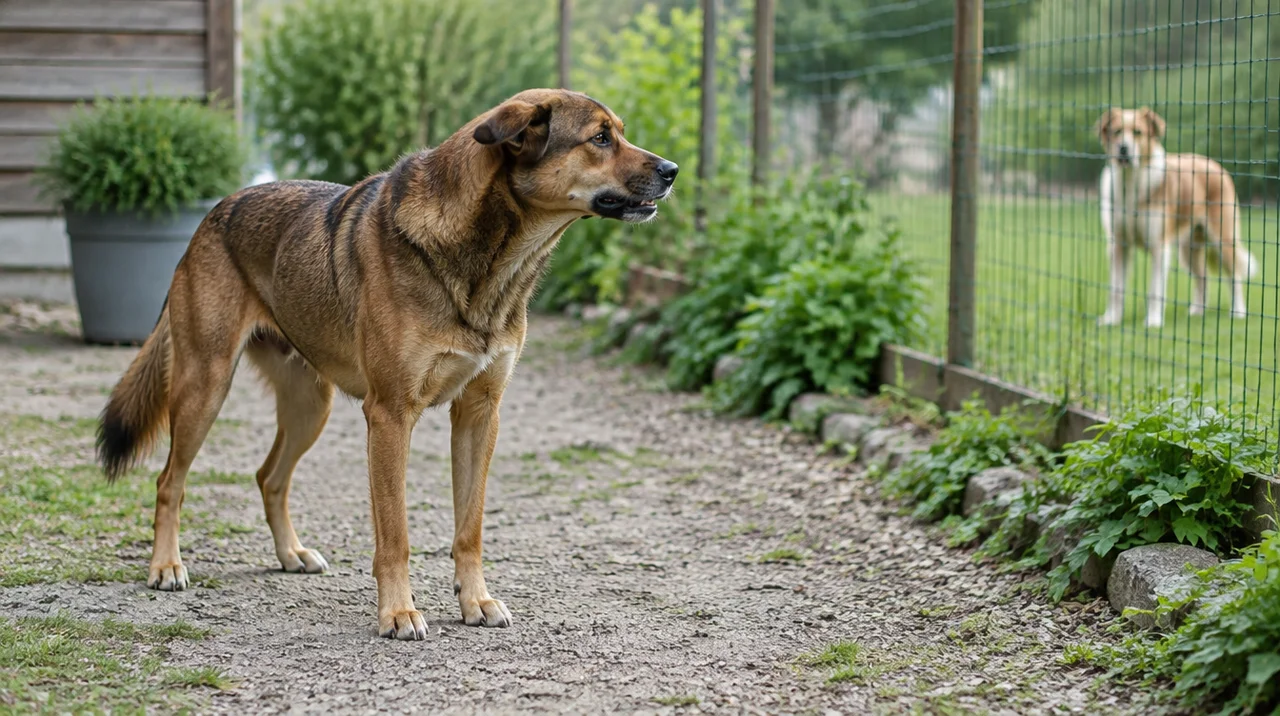
| One dog leaves during a pause and does not return | Respect the opt-out and end that play bout |
| Bodies become stiff, still or intensely focused | Interrupt early and create more distance |
| One dog repeatedly pins, pursues or corners the other while escape attempts fail | The interaction is no longer a useful play setup |
| A brief pause makes both dogs calmer and they restart loosely | Resume only while that pattern continues |
Start with choice, not noise
Growling, barking, chasing, wrestling and open-mouth contact can all occur in normal play. Those features look dramatic to people because many also appear in conflict.
The more useful question is whether both dogs still have choices. A dog who pauses, moves away and then voluntarily returns is participating differently from a dog who keeps retreating while the other repeatedly pursues.
The broader method for reading dog body language still applies, but play adds one important layer: you are reading the relationship between two dogs, not just one body.
What healthy play often looks like
Loose, exaggerated movement
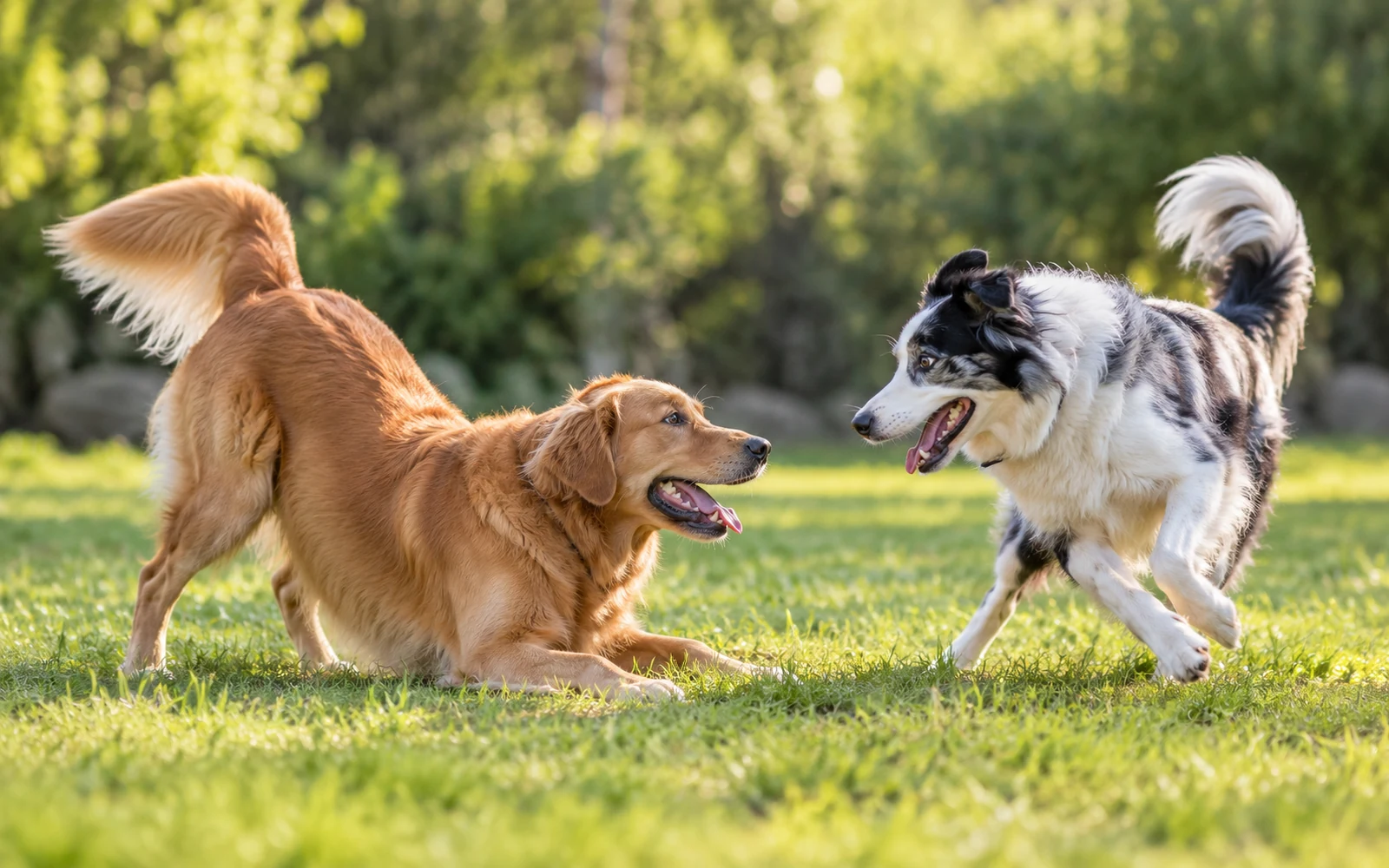
Play tends to look inefficient on purpose: bouncing, curved approaches, sudden direction changes, play bows and floppy movement. The gestures are often larger than they need to be for simply getting from one place to another.
Pauses and resets
Good play is not one uninterrupted burst. Dogs may stop, sniff, shake off, take a drink or look around before one invites the other back into the game. A pause gives both dogs an opportunity to opt out.
Some role changes
Chasing may switch direction; the dog on top may later be underneath; a larger dog may reduce intensity. These changes can be signs of flexible social play.
Do not turn role reversal into a rigid rule. Research on dog play shows that some successful play relationships are asymmetrical rather than perfectly balanced. The key question is whether the less advantaged dog keeps choosing the interaction and can leave when they want to.
Play signals that frame rough behavior
A play bow, relaxed open mouth and bouncy approach can signal playful intent around actions that would look different in a tense context. The signal does not override everything else; the whole interaction still has to remain voluntary.
Use a pause test when you are unsure
Interrupt while the dogs are still easy to call apart rather than waiting for a fight. Give them a brief break with enough space that neither dog is being held directly in the other's face.
Then watch what they choose.
If both dogs re-approach with loose movement, the pause supports the interpretation that the interaction is mutual. If one dog uses the break to leave, hide behind a person, sniff elsewhere or avoid re-engaging, let the break stand. Do not bring the reluctant dog back to “see if they really want to play.”
Rough does not automatically mean wrong
Some compatible dogs enjoy wrestling, body slams or loud vocalization. A quiet chase can be less healthy than a noisy wrestling match if the chasing is one-sided and the pursued dog is repeatedly trying to escape.
Size, age, physical ability and play style also change what is appropriate. A young, fast dog may overwhelm an older dog without showing obvious hostility. A large dog may need to reduce force with a smaller partner. Matching intensity matters more than expecting every pair to play the same way.
Signs it is time to interrupt
Step in before the interaction becomes difficult to stop when you see a meaningful change such as:
- loose movement turning stiff or still
- repeated hard staring without a reset
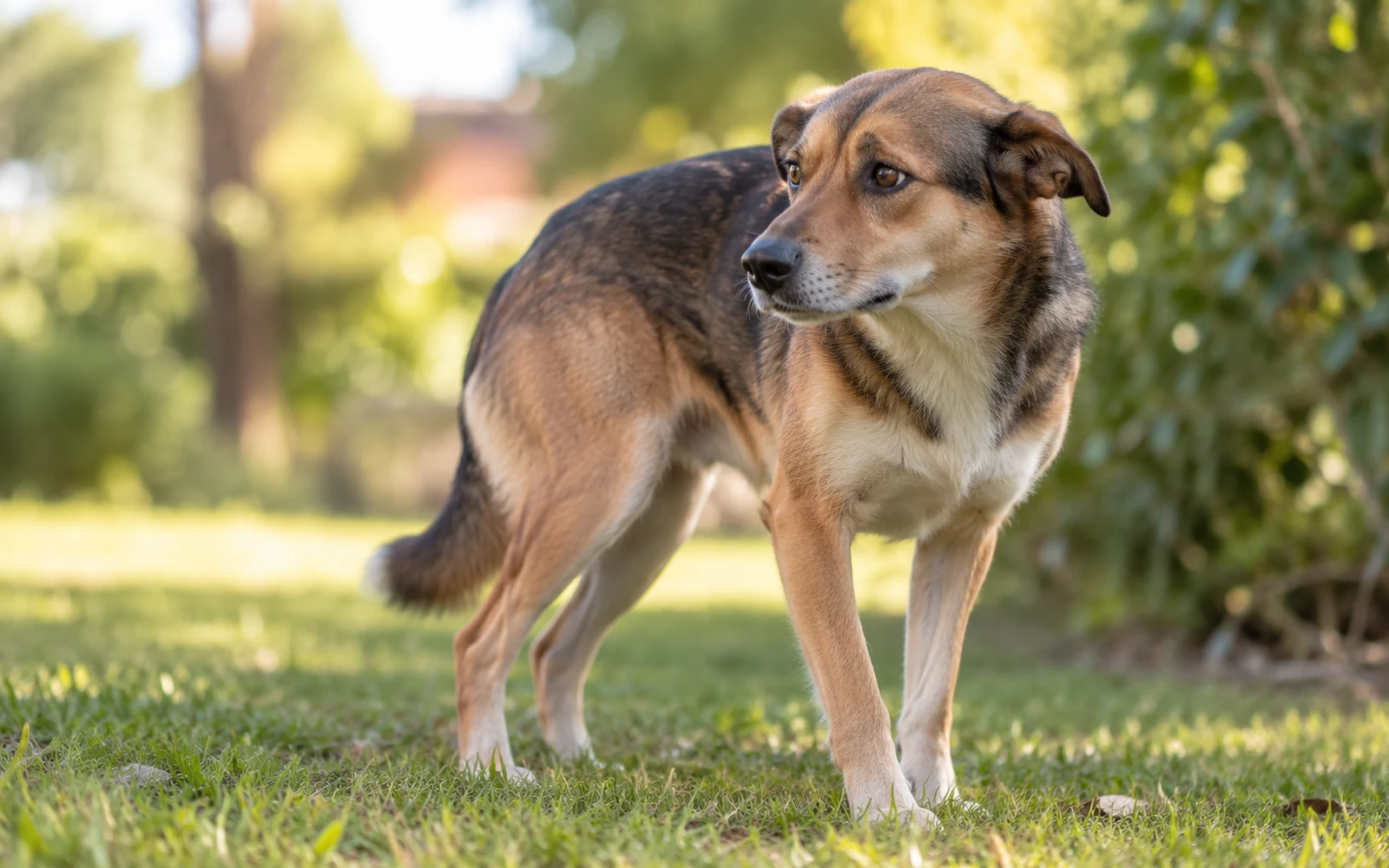
- one dog continually trying to leave
- repeated pinning or body pressure that the other dog does not re-initiate
- escalating speed or force with no natural pauses
- one dog becoming unable to respond to a familiar call or break away
One sign alone may be ambiguous. Several changes arriving together are more useful, especially when the dog who was previously participating stops choosing the game.
How to manage the break
Keep the intervention boring and low-pressure. Call the dogs apart while they are still responsive, move them into separate space and give them time to settle. If they restart, let the next bout be shorter or lower intensity.
Do not repeatedly force introductions after one dog has opted out. A successful play session does not have to end because the dogs are exhausted; ending while both can still disengage easily is often the cleaner choice.
If an interaction has already become a serious fight, general play-reading advice is no longer enough. Protect people from injury and seek individualized professional guidance rather than relying on a simple “pause test.”
Common mistakes when judging dog play
Watching only the mouth. Teeth and open-mouth contact can look alarming while the bodies remain loose and reciprocal.
Watching only the tail. Tail movement can accompany many levels of arousal. The rest of the dog and the interaction matter more.
Expecting perfect equality. Healthy play can include unequal roles. Repeated voluntary participation is more useful than demanding exact 50:50 turn-taking.
Waiting for obvious aggression. The best time to interrupt is often when flexibility disappears, not after the interaction has already escalated.
Assuming familiar dogs never need breaks. Even well-matched dogs can become tired, frustrated or over-aroused.
When a play problem needs more than management
Repeated fights, injuries, a dog who consistently cannot disengage, or play that regularly tips into intense guarding or fear deserves individualized assessment. A sudden change in play tolerance can also have a physical component, especially in an older dog or a dog who becomes sensitive to contact.
The goal is not to make play look polite. It is to protect the features that make play work: voluntary participation, flexible movement, workable pauses and the ability of either dog to stop.