Quick answer
Dogs growl for different reasons, so the sound is information rather than a diagnosis. A growl can occur during play, when a dog wants more distance, around a valued resource, during handling or when pain or discomfort changes tolerance. Read what happened immediately before the growl and what the rest of the body is doing. If the dog looks tense or the context is uncertain, stop adding pressure and create space rather than punishing or testing the warning.
Decision guide
The immediate decision depends on the surrounding context and body language, not on how dramatic the sound seems.
| Context around the growl | Best immediate interpretation |
|---|
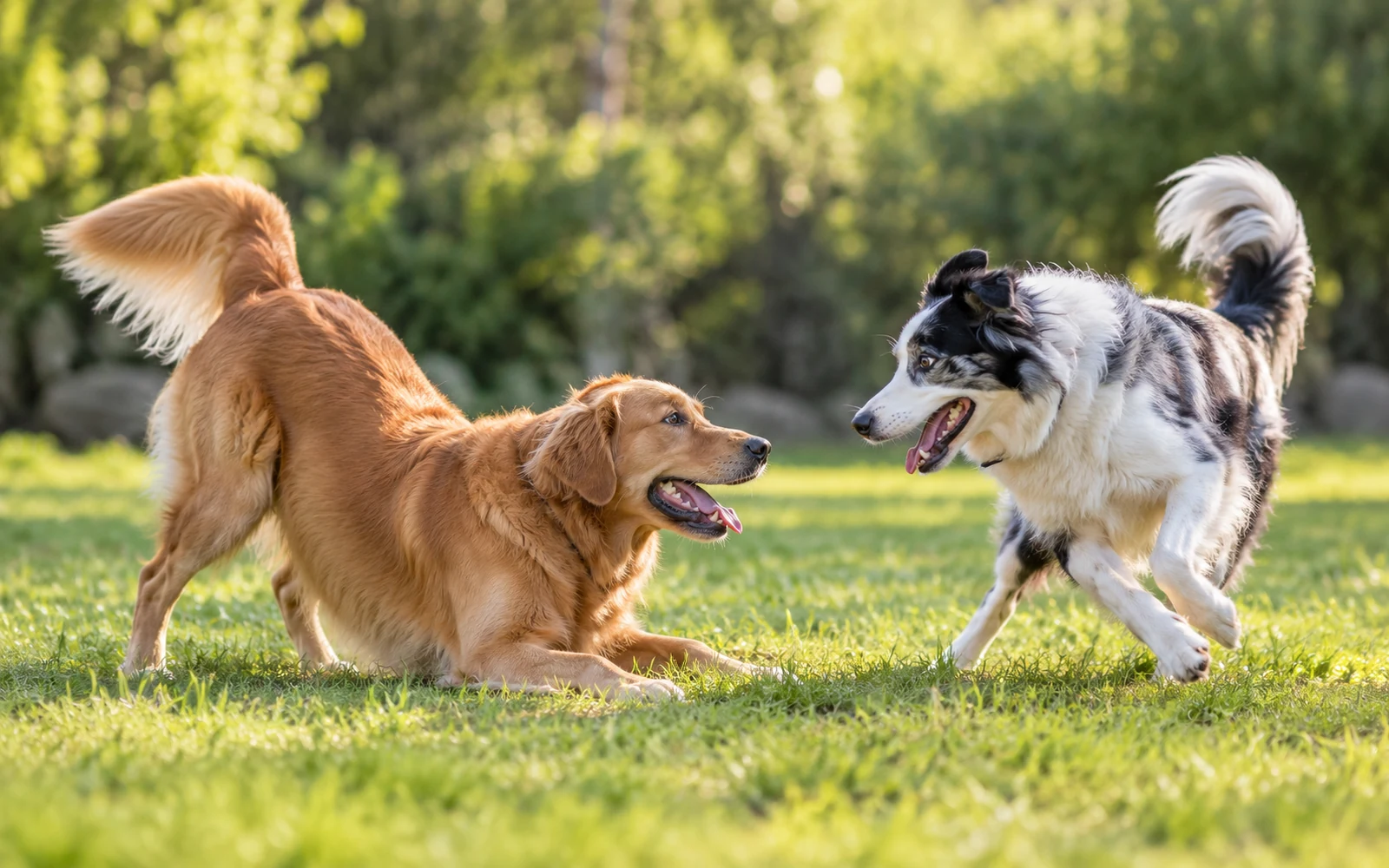
| Loose, bouncy play with easy pauses and re-engagement | The growl may be part of play; keep watching the whole interaction |
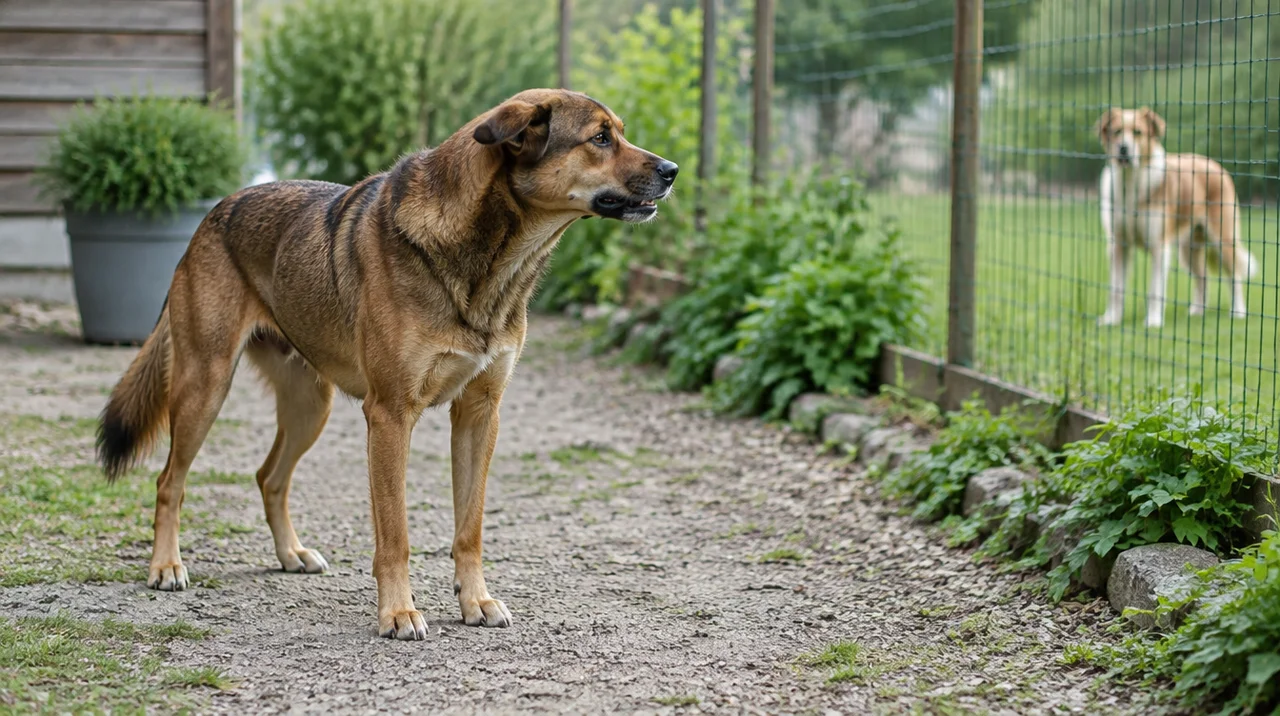
| Stiffness, hard focus, retreat or guarding of an item | Treat the growl as a request to reduce pressure and add distance |
| Handling or touch that the dog tries to avoid | Stop the handling and consider whether discomfort or fear is involved |
| A sudden new growl with no clear behavioral history | Rule out pain or illness before assuming a training cause |
| Repeated growling that progresses to snapping or biting | Move from general advice to individualized veterinary/behavior support |
A growl tells you to investigate the situation
The same vocalization can appear in very different emotional states. A loose dog growling during a game of tug is not the same picture as a stiff dog growling when someone reaches for a chew.
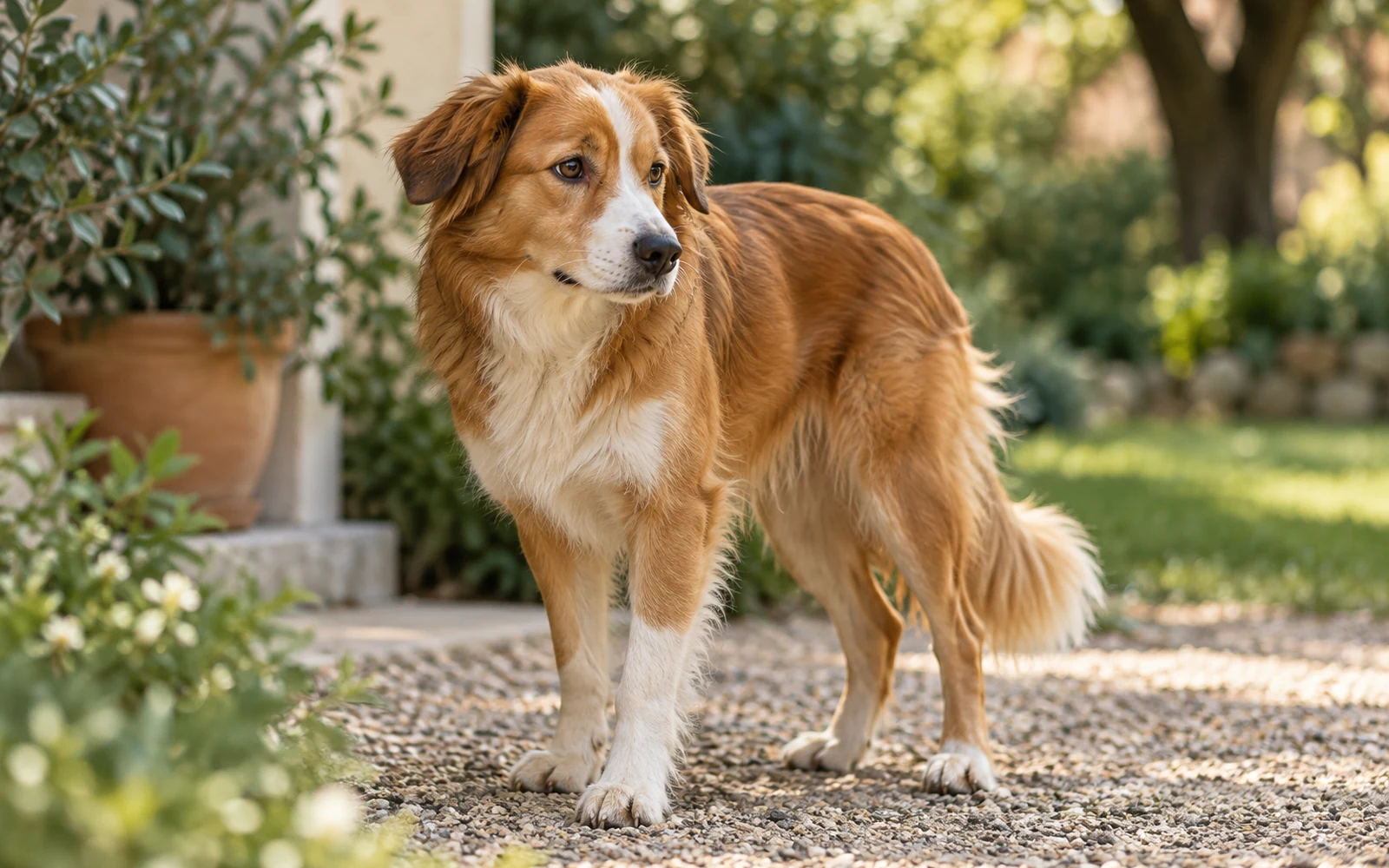
Use the broader framework for reading the whole dog's body language: context first, then body tension, movement, distance and change in intensity. The growl becomes useful when you can answer, “What changed just before it happened?”
Common reasons dogs growl
Play and excitement
Some dogs growl during tug, chase or wrestling. The surrounding play pattern matters more than volume. Loose movement, exaggerated gestures and voluntary re-engagement fit play more than a dog that becomes rigid and tries to end contact.
Wanting distance
A dog may growl when a person or dog keeps approaching after earlier signals have not changed the interaction. The sound can function as a stronger request for space.
Protecting access to something valued
Food, toys, resting spots or other resources can become part of the context. A growl when someone approaches the item tells you that proximity is relevant; it does not tell you how severe or general the problem is.
Handling or restraint
Touching a sensitive area, lifting, grooming, hugging or preventing movement can trigger growling in a dog who is uncomfortable with that handling.
Pain or physical discomfort
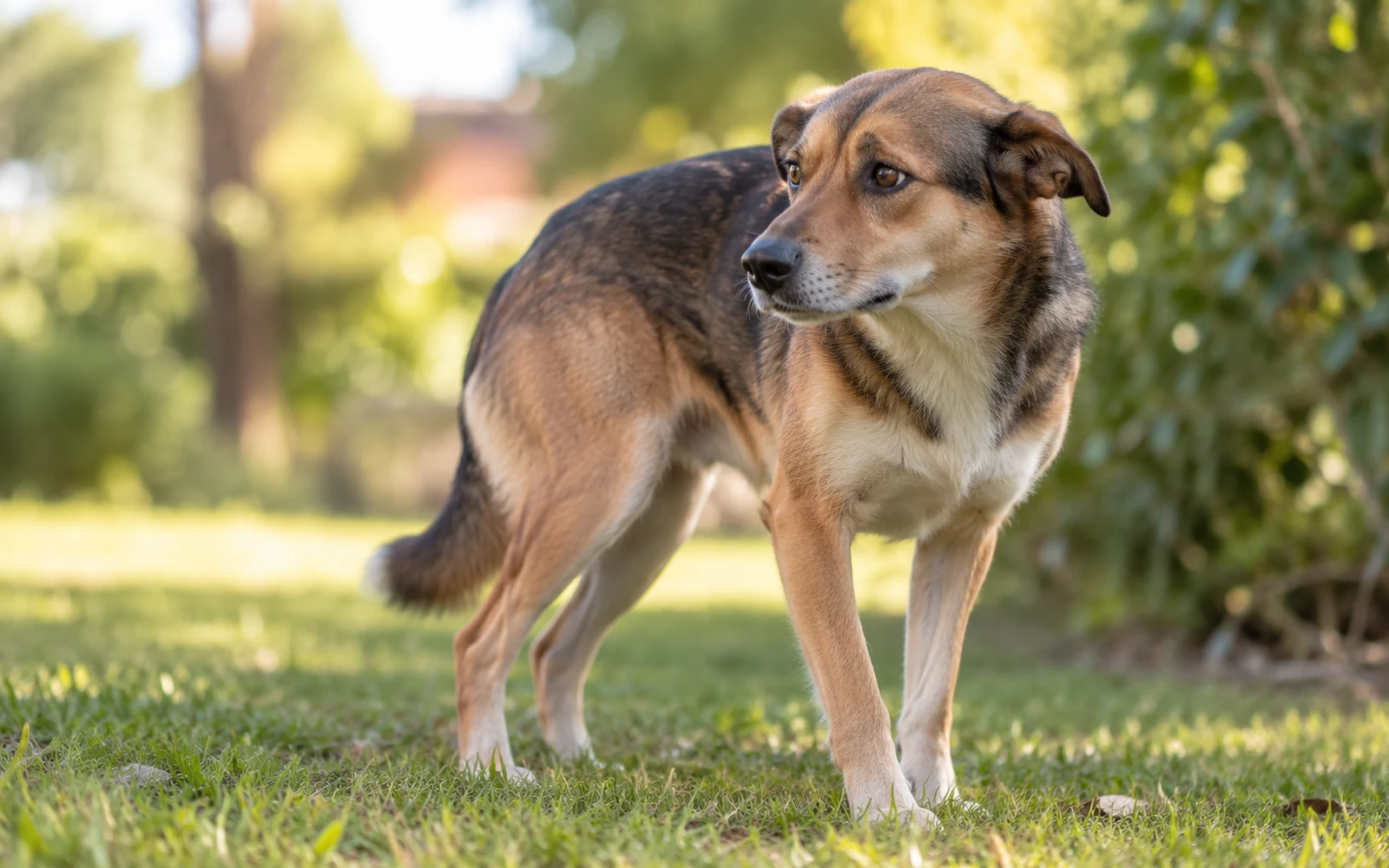
A new growl during touch, movement or an interaction the dog previously tolerated can have a medical component. Sudden changes deserve veterinary attention rather than assuming the dog has developed a training problem.
What to do when your dog growls
First, stop the action that is increasing pressure if you can do so safely. Do not lean closer, grab the item, repeat the touch or challenge the dog to see whether the growl happens again.
Create enough distance for the dog to settle, then note the trigger and surrounding body language. Once the immediate moment is over, decide whether this was a normal context such as loose play, a manageable environmental problem, or a recurring pattern that needs professional assessment.
Do not punish the warning
Stopping the noise is not the same as resolving the reason for it. Punishment can leave the trigger and the dog's discomfort unchanged while making the warning less useful to you.
The practical goal is to make growling less necessary by changing the conditions that produce it. That may mean more distance from a trigger, preventing conflict around resources, changing how handling is introduced or using a structured behavior plan with qualified help.
Play growl or warning growl?
Sound alone is a poor separator. A loud growl can occur during healthy play, while a quieter growl can accompany a dog that is seriously uncomfortable.
Look at movement. Play is more likely when the body stays loose, gestures are exaggerated, the dog can pause and both participants keep choosing to re-engage. A warning picture is more concerning when the body becomes still or stiff, the stare fixes, movement becomes direct and efficient, or one participant is repeatedly trying to leave.
If you are unsure, pause the interaction. Ending play early is a small cost compared with continuing when one dog is no longer comfortable.
What the trigger can teach you
Keep the description concrete. “Growled when I touched his left hip after he stood up” is more useful than “growled for no reason.” “Growled when another dog came within one meter of the chew” is more useful than “protective.”
Specific descriptions reveal patterns that can be changed. They also help a veterinarian or behavior professional distinguish pain, handling sensitivity, fear, social conflict and resource-related contexts.
When the problem is recurring
Management should prevent rehearsing the same conflict while you work out a longer-term plan. That may mean giving the dog a quiet place to rest, preventing people from reaching toward high-value items, increasing distance from difficult triggers or changing how necessary handling is performed.
Long-term behavior change depends on the cause. A resource-related problem, fear of strangers and pain during touch are different problems even if all three include growling. Generic “obedience” is not a substitute for identifying that cause.
When to get help
Contact a veterinarian when growling is new, appears with touch or movement, or comes with any other sign of pain or illness. Repeated growling around people or dogs, guarding that is difficult to manage, snapping, biting or situations involving children deserve individualized professional support.
A growl is useful because it gives you information before the situation becomes more intense. Treat the message seriously without turning the sound itself into the enemy.