Quick answer
Stress in dogs is easiest to recognize as a change in pattern, not a single “stress signal.” Look for several changes that arrive together: facial or body tension, turning away, lip licking, yawning out of context, a lowered posture, pacing, freezing, hiding or difficulty disengaging from a trigger. When the pattern is building, reduce pressure first. You do not need to identify the exact emotion before giving the dog more room to recover.
Decision guide
Use the pattern, not one isolated behavior, to choose the least demanding next step.
| Pattern in the moment | Practical response |
|---|
| One brief, ambiguous behavior with an obvious ordinary explanation | Keep observing instead of labeling it |
| Several early stress-related changes appear around the same trigger | Pause, reduce pressure and give the dog an easier option |
| The dog repeatedly moves away, hides, freezes or cannot shift attention | Increase distance and end the interaction for now |
| Growling, snapping or another stronger warning appears | Stop pushing the situation; manage distance and safety |
| A new stress-like pattern is frequent, persistent or unexplained | Record the pattern and discuss it with a veterinarian |
Stress is a pattern with a trigger and a recovery
A yawn after waking up tells you very little about stress. A yawn, head turn and lip lick that begin when a person leans over the dog are more useful because the behaviors changed with a clear social pressure.
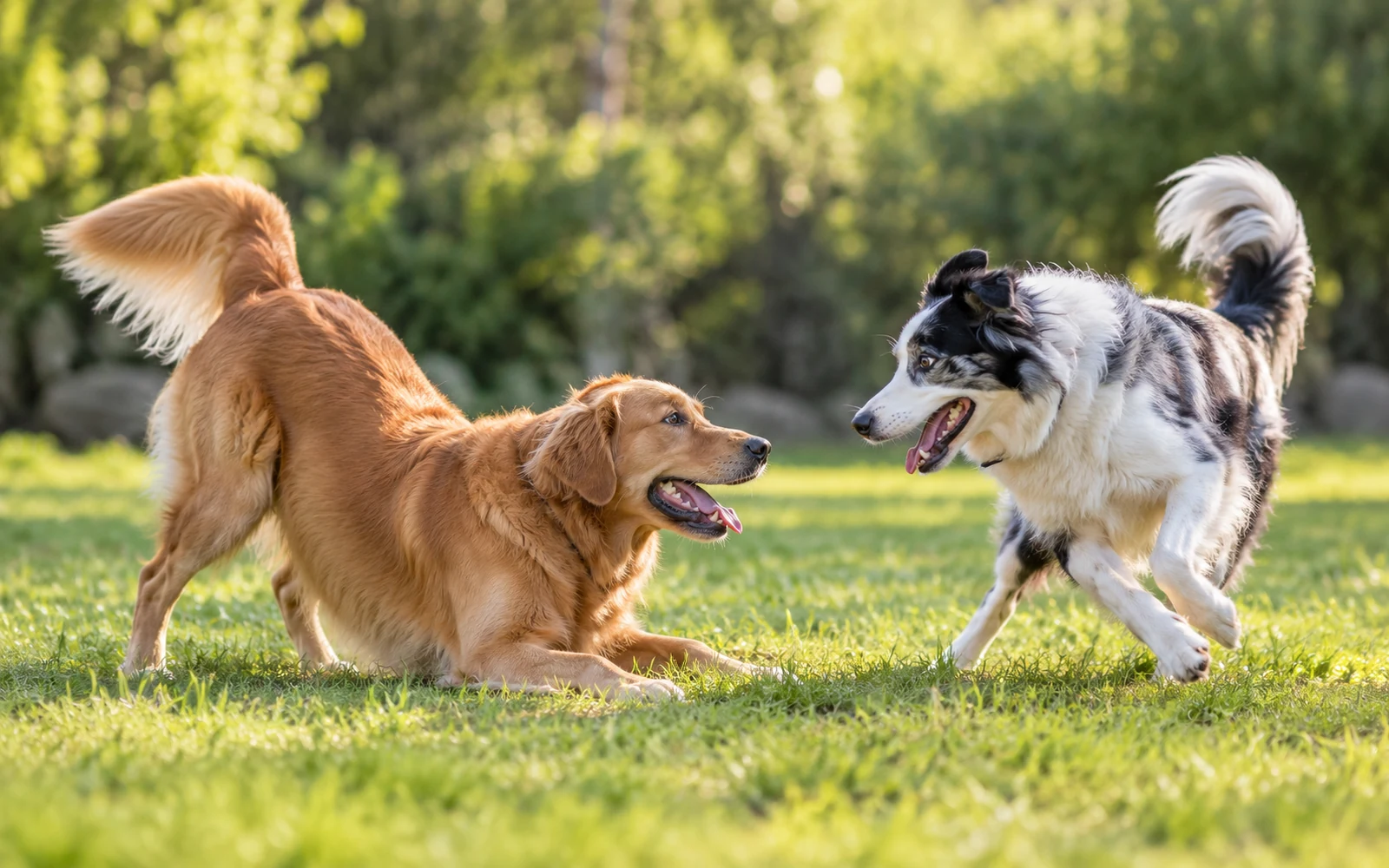
That is why a checklist works best after you already know the broader method for reading dog body language in context. For stress specifically, add two questions: what appears to trigger the change, and what happens after the trigger is reduced?
A dog that becomes tense near a noisy doorway and loosens once moved to a quiet room has given you a repeatable pattern. A dog that stays unsettled long after the event, or shows the same change with no obvious trigger, needs a different level of attention.
Recognize early stress before the dog has to escalate
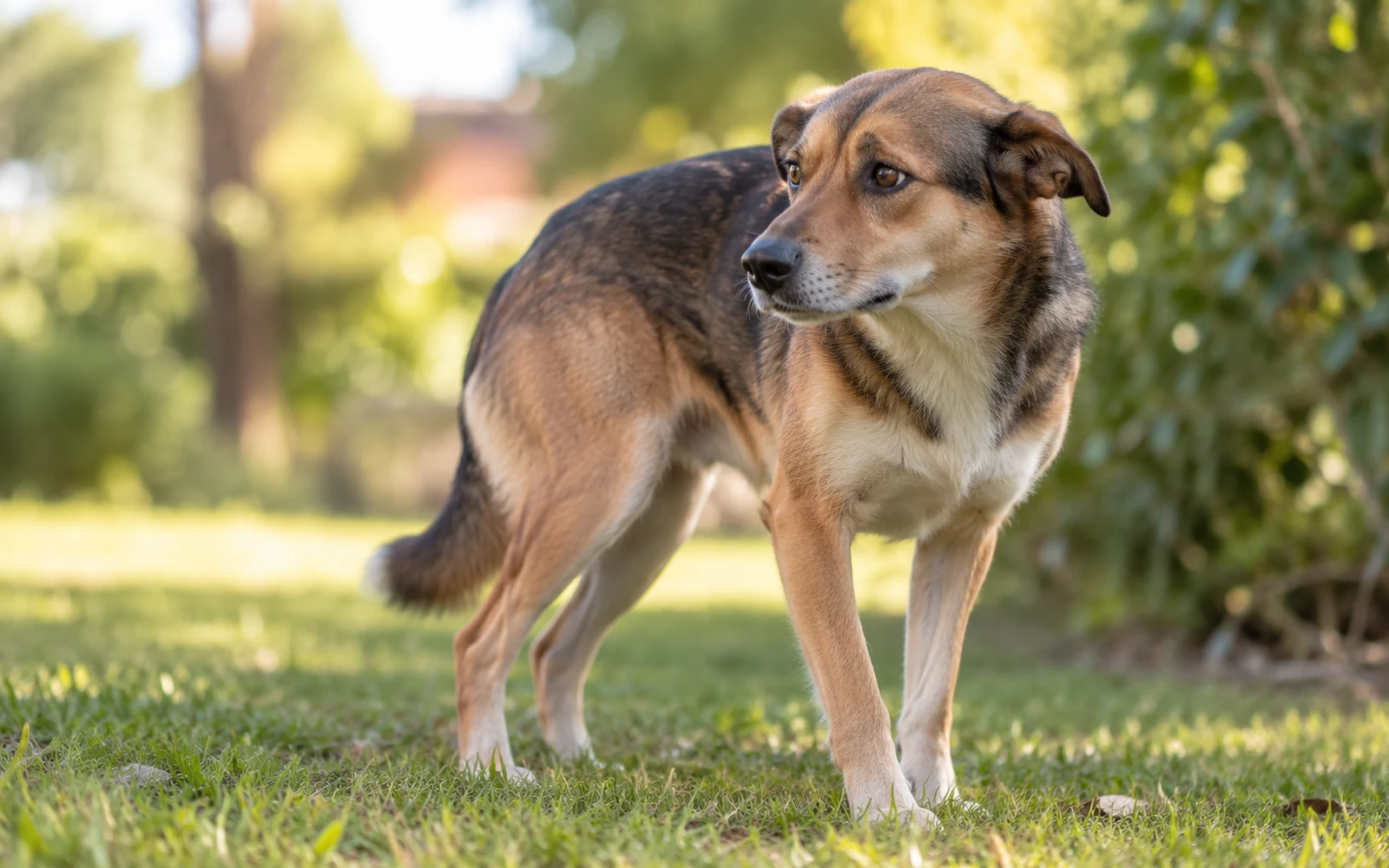
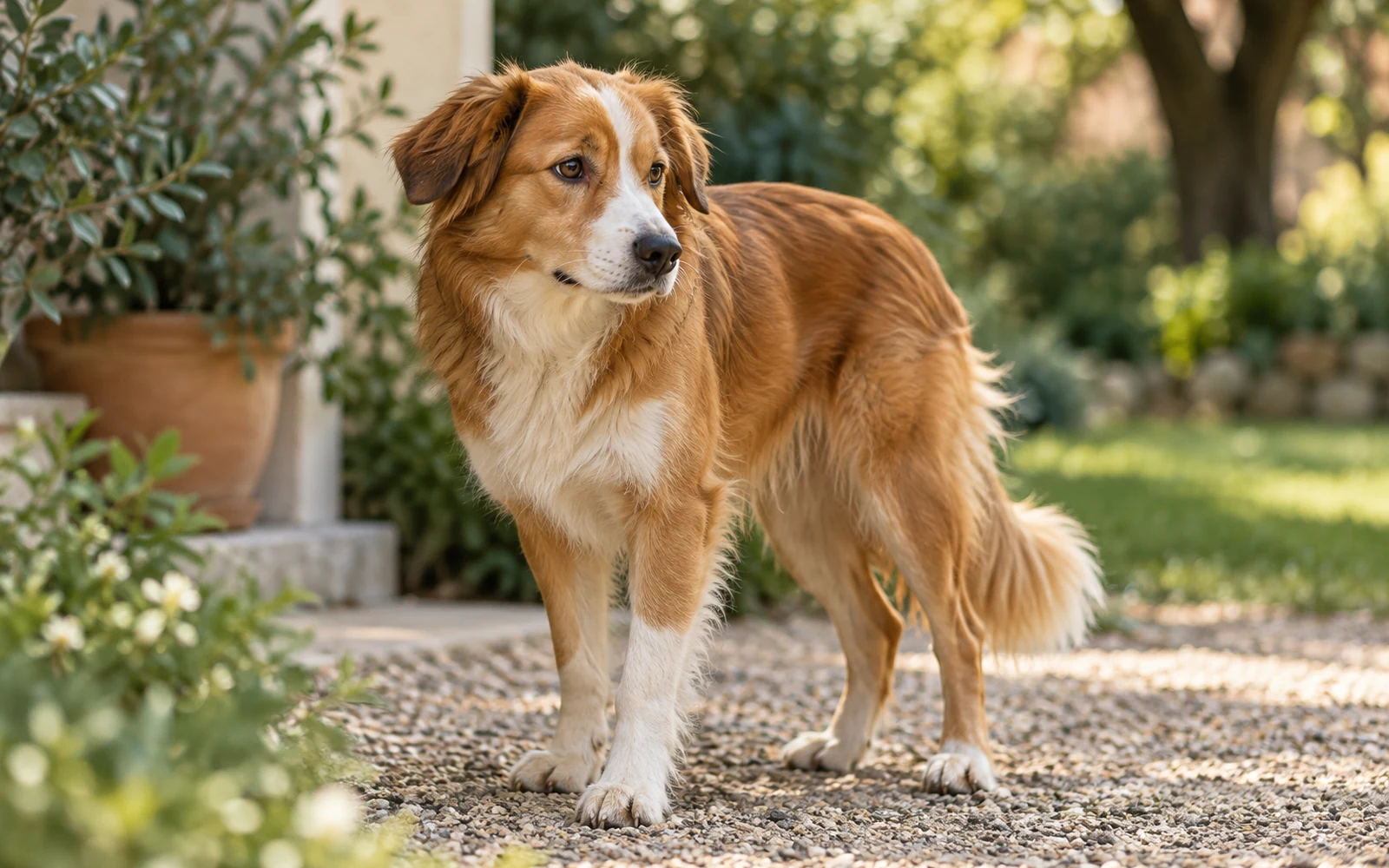
Early stress can be easy to miss because many signs are small and brief. Common examples include:
- turning the head or body away
- lip licking when food is not involved
- yawning when the dog is not tired
- ears moving back relative to normal
- narrowed eyes or visible eye whites
- a paw lift or lowered posture
- slowing down, hesitating or becoming suddenly still
- shifting weight away from a person, dog or object
None of these behaviors proves stress on its own. The useful signal is the combination, timing and change from that dog's usual behavior.
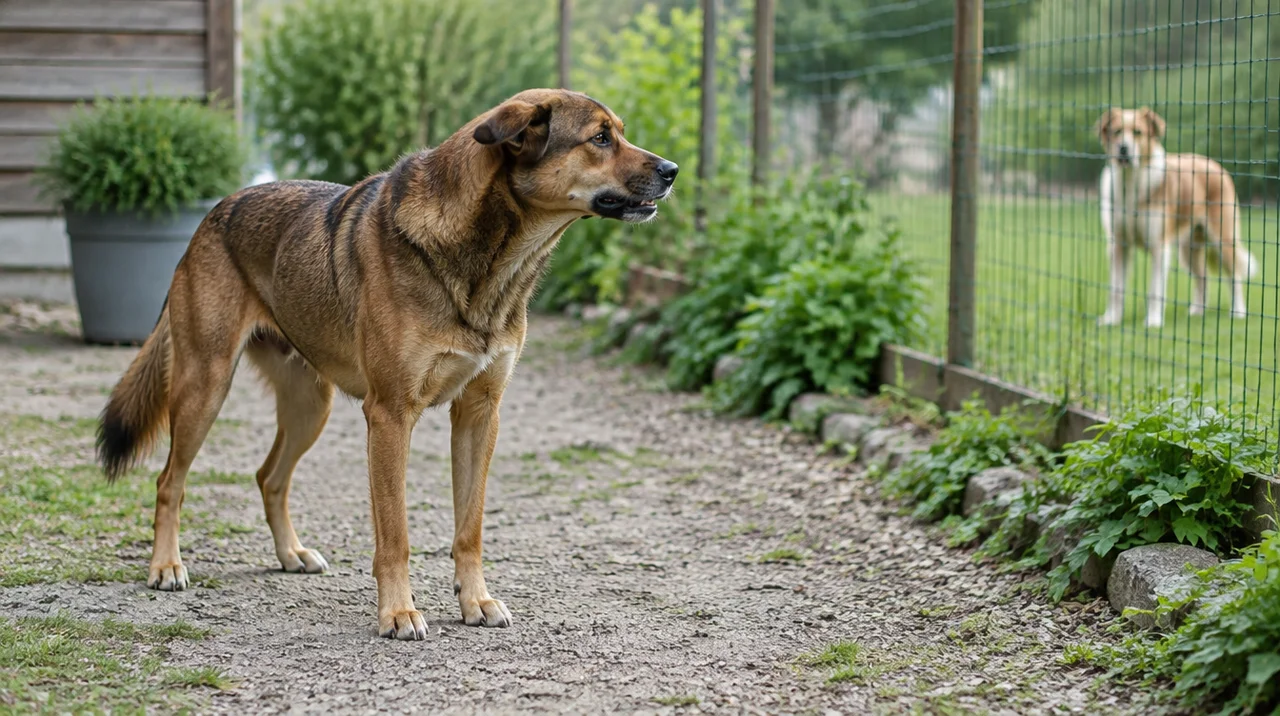
A second pattern is reduced flexibility. The dog may stop responding to familiar cues, struggle to look away from the trigger, pace, pant when not hot, tremble, hide, vocalize or repeatedly try to leave. These behaviors suggest the dog is finding the situation harder to cope with than a momentary tongue flick or glance away would suggest.
Do not force every dog into a fixed “stress ladder”
It is tempting to imagine a neat sequence from lip lick to growl to bite. Real dogs are less predictable. One dog may retreat early; another may freeze; another may vocalize quickly. Previous learning, health, the environment and whether escape is possible can all change which behavior appears first.
Use intensity as a practical guide rather than a universal ladder. A subtle signal means “pay attention.” Several signals arriving together mean “change something.” Freezing, panic, snapping or an inability to disengage mean the current setup should end rather than be tested further.
What to change first
If a person is reaching, stop reaching. If another dog is too close, increase distance. If handling has become difficult, pause the handling. The first response should make the situation easier, not ask the dog to tolerate more while you diagnose the signal.
Give the dog a real way to disengage
Choice matters only when the exit is practical. A dog on a short leash, blocked in a corner or held in place cannot use moving away as an option. Where it is safe, create enough space for the dog to turn, sniff, move behind you or leave the interaction.
Lower the difficulty before asking for behavior
A familiar cue is not a useful test if the dog is too aroused to respond. Move farther away from the trigger or simplify the environment first. Once the dog can look around, take food normally or respond in their usual way, you have a better starting point for any training decision.
A worked example: a busy sidewalk becomes too much
Imagine a dog who usually walks with a loose body and checks in easily. On a busy block, the dog starts scanning, closes the mouth, pulls forward, then stops taking treats and fixes attention on an approaching dog.
The useful decision is not to demand a sit beside the trigger. Cross the street or turn down a quieter route while the dog is still able to move with you. After enough distance is created, look for recovery: softer movement, exploratory sniffing, normal response to a familiar cue or the ability to take food without snatching.
That recovery tells you the distance changed the problem. It also gives you a practical benchmark for future walks: intervene before the dog reaches the point where attention becomes locked and choices disappear.
Stress can accumulate across events
A difficult experience does not happen in isolation from the rest of the day. Several arousing events close together can leave a dog less able to cope with the next challenge, even if each event looked manageable on its own.
Instead of trying to calculate a universal recovery time, look at the dog's behavior after a demanding event. Is sleep normal? Can the dog settle? Are ordinary triggers producing stronger reactions than usual? A lower-demand day, more distance from known triggers and predictable routines can be useful when the dog is showing reduced resilience.
Track patterns, not just incidents
A simple log can reveal what memory misses. Record:
- what happened immediately before the stress pattern
- how close or intense the trigger was
- the first change you noticed
- what you changed in response
- how long it took for the dog to look and move normally again
After several entries, look for repeated combinations. Perhaps visitors are manageable until they bend over the dog. Perhaps traffic is fine at a distance but difficult on a narrow sidewalk. Those details are more actionable than the label “anxious.”
Common mistakes that make the signal harder to use
Waiting for a dramatic warning. Early signals are useful precisely because they give you time to change the setup before the dog has to communicate more strongly.
Treating one behavior as proof. Panting can reflect heat or exercise; yawning can reflect tiredness; lip licking can reflect food. Context separates ordinary behavior from a stress pattern.
Testing the trigger repeatedly. Repeating the same approach, touch or exposure just to confirm the reaction can increase pressure without teaching you anything useful.
Assuming refusal is disobedience. A dog who suddenly cannot respond to a familiar cue may be too focused or aroused for the current difficulty.
When stress signs need veterinary or behavior help
A sudden behavior change, new touch sensitivity, unexplained restlessness or a pattern that appears without an obvious environmental trigger can be related to pain or illness. A veterinarian is the right starting point when the change is new, persistent or accompanied by physical symptoms.
Recurring fear, panic, snapping, biting or stress that regularly disrupts normal daily life deserves individualized behavior support. Professional help is also appropriate when you cannot create enough distance safely or when the trigger is unavoidable.
The goal is not to make every sign disappear. It is to notice the pattern early enough to change the conditions and help the dog regain flexibility.