Why does your dog dig in the yard?
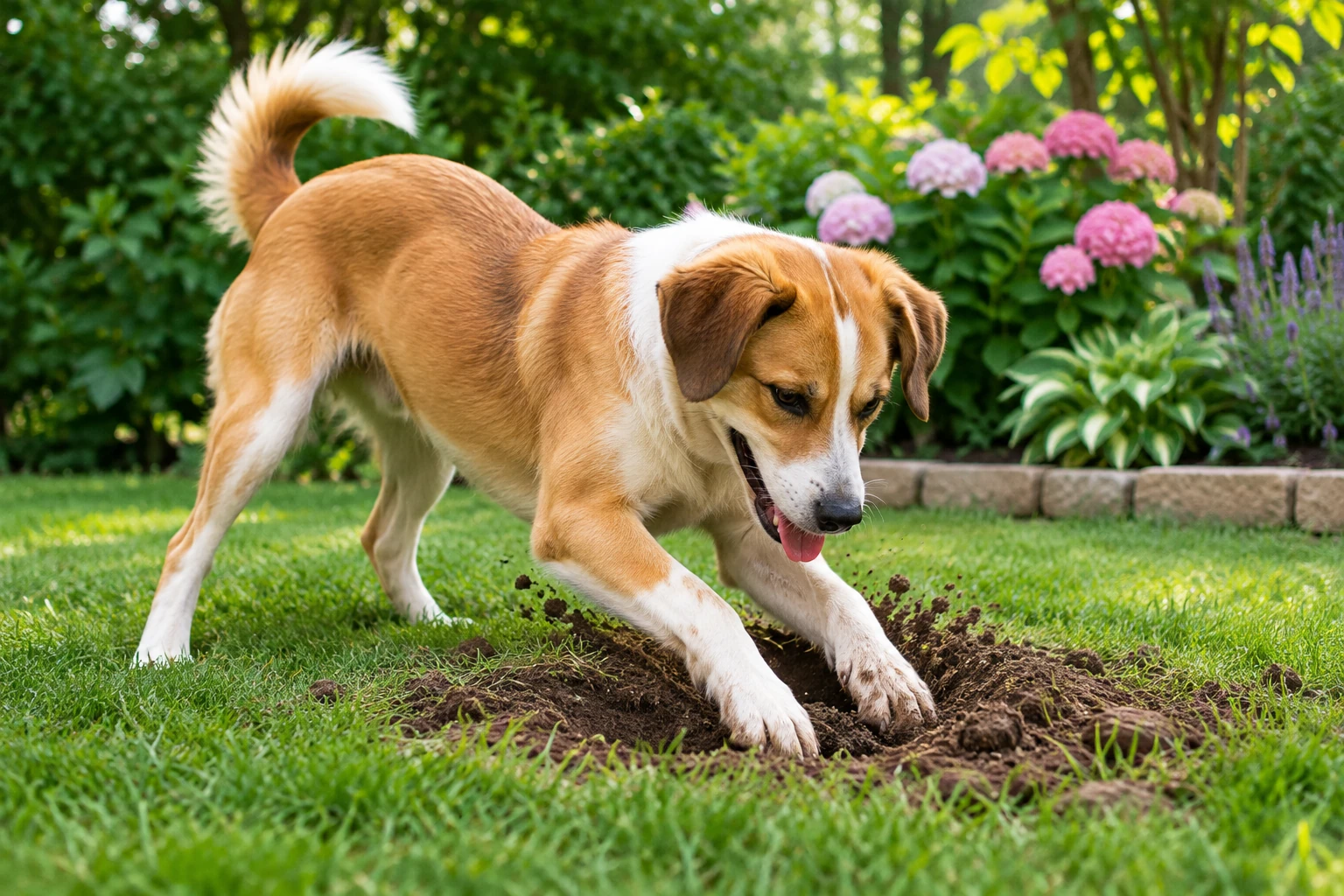
Digging is normal canine behavior, not automatically disobedience. Dogs may uncover interesting smells, investigate animals beneath the soil, make a cooler place to lie down, hide valued objects, seek a way out of the yard, or simply enjoy digging. Those motivations call for different responses, so watch the context rather than treating every hole as the same problem.
| What you notice | Possible explanation | Best first response |
|---|
| Your dog digs in shade on a warm day and then lies in the hollow. | A search for a cooler resting surface. | Provide a cool resting place and check for signs of heat stress. |
| Holes appear under or beside the fence. | Interest beyond the yard or a possible escape attempt. | Secure the boundary and supervise access. |
| Your dog intensely sniffs and repeatedly digs one small patch. | Scent or possible animal activity below ground. | Restrict access while checking for attractants or hazards. |
| Digging happens in loose soil during relaxed play. | Digging may be enjoyable in its own right. | Offer a safe, designated digging area. |
| A toy or chew is carried outside and covered with soil. | Burying or storing a valued object. | Change where and how the object is offered. |
| Digging occurs during absences, with pacing, persistent barking, or damage around exits. | Distress is possible, but not proven by digging alone. | Record the pattern and discuss concerns with a veterinarian. |
These patterns suggest possibilities, not diagnoses. Observe a few safe, supervised opportunities: note the location, weather, nearby animals, whether anyone was present, and the dog's behavior afterward. A dog may have several motivations at once. Do not delay immediate containment or veterinary care while trying to identify a pattern.
Protect the yard and your dog before training
Start with the conditions that allow unsafe digging to happen. Inspect the base of fences and gates, existing holes, exposed edging, and the places your dog can reach. If your dog could tunnel out, keep them indoors or in another secure area when you cannot supervise. Arrange a durable, dog-safe fence repair; an unsecured fence is not a situation in which to test a new recall cue. Avoid exposed wire, sharp barriers, or anything that could trap a paw.
Use stable barriers to protect flower beds and newly planted areas. Check the yard for sharp litter, toxic plants, compost, fertilizers, and garden treatments. Some composts and animal-derived fertilizers attract dogs; keep these products inaccessible and respect any pet-access directions on their labels. Fill dangerous holes once the area is secure, but remember that filling a hole does not address why digging happened.
Supervise yard time while establishing a new habit. If you need a line to guide a dog safely away from an off-limits area, hold it and attach it to a suitable harness; do not leave a dog tethered or unattended on a long line. Provide clean water, shade, and an appropriate resting area. A dog that is trying to escape, overheating, or showing distress needs that issue addressed before a digging lesson.
Teach your dog to dig in an approved area
This exercise is for a dog that appears to enjoy digging after heat, escape, and distress concerns have been assessed. The goal is to give the dog a rewarding location for a natural activity. Keep access to the original digging spot blocked while the new habit develops.
Step 1: Set up a distinct digging spot
Choose a quiet location away from fences, valued plants, and dangerous ground. Use a contained patch of clean, loose soil or a stable digging box with suitable sand. There should be enough room for the dog to turn and dig without reaching buried hazards. Inspect the surface for sharp objects and swallowable materials, and supervise its use.
Use the same location consistently at first. A visible border or distinctive surface helps the dog learn which part of the yard is available for digging. If they seem reluctant to stand in the box, check its position and texture before adding more encouragement.
Step 2: Make the spot easy to investigate
Place a favorite, sturdy toy in plain sight on the surface. Allow your dog to approach freely; do not move their paws or push them into the material. When they are interested in the toy, cover only part of it with loose soil so they can uncover it with little effort.
If your dog walks away, uncover the toy again or play briefly beside the box. Increase the hiding difficulty only after your dog readily uncovers the toy at the current level. Avoid small objects that might be swallowed, and do not bury food where it might become contaminated.
Step 3: Reward digging where it is permitted
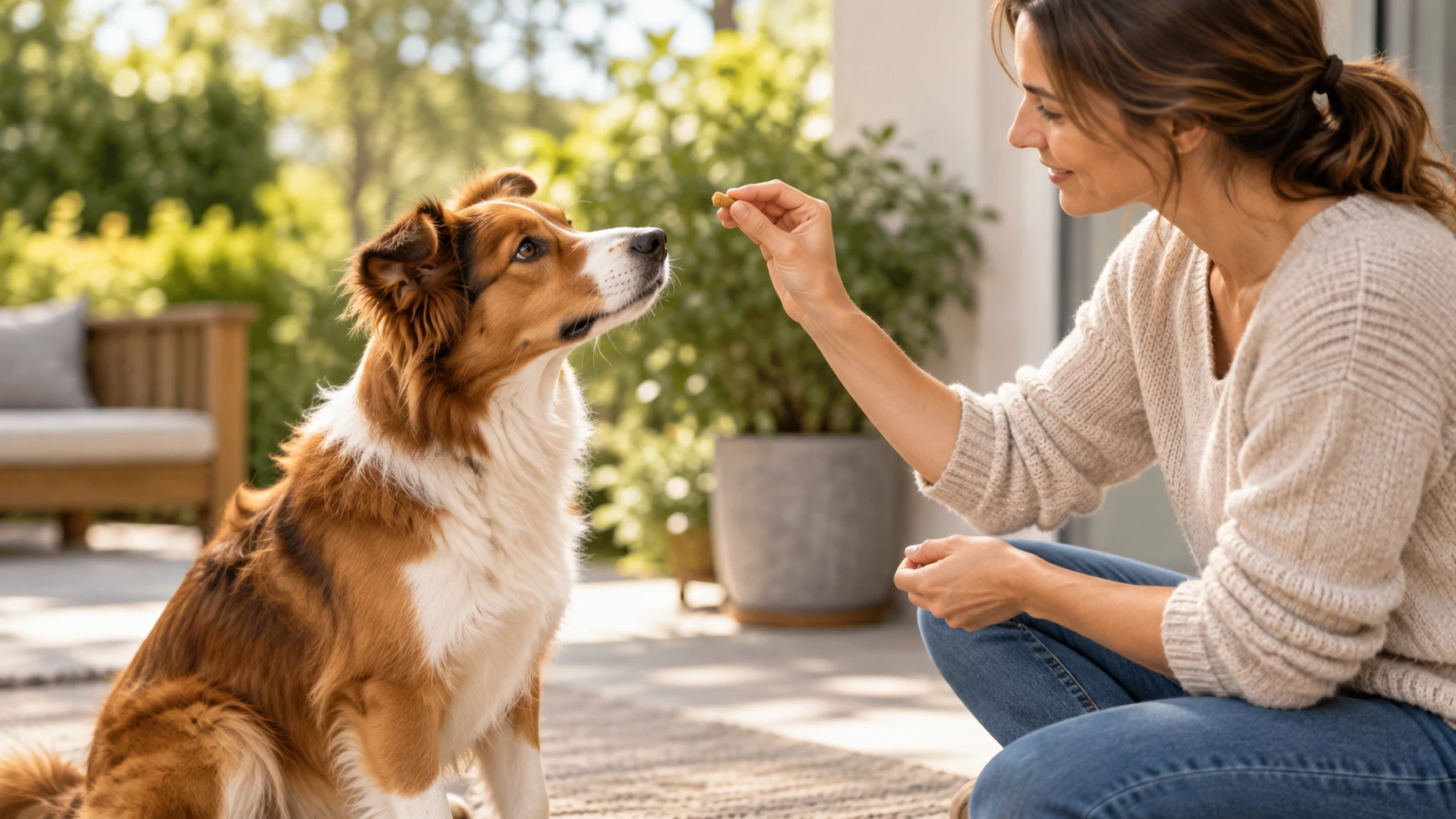
When your dog begins scratching or digging at the approved spot, mark the action with a familiar word such as “yes,” then give a small treat or begin a brief game at that location. Initially, reward short attempts. As the dog returns voluntarily, reinforce their independent choice of the digging area rather than always guiding them to it.
You may later introduce an optional cue such as “dig here”: say it as the dog is about to perform a familiar digging action, then reward the response. Do not keep repeating a cue they have not learned. The Dog Training Basics guide explains how well-timed markers and rewards support learning.
Step 4: Prevent digging elsewhere and guide the next choice
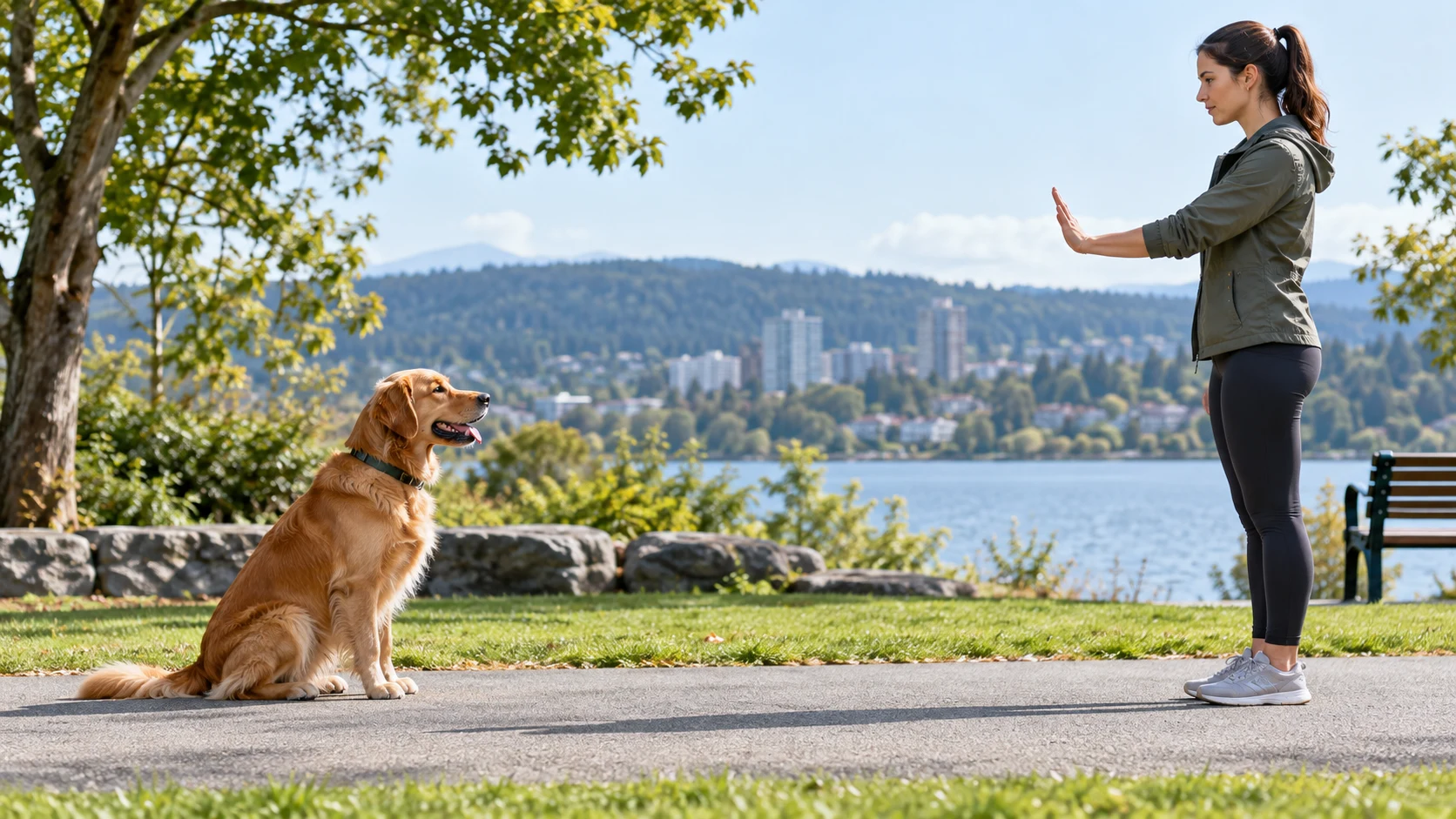
Keep flower beds and other protected spots inaccessible. During supervised time, notice when your dog starts heading toward an off-limits patch. Before they dig, use a movement or recall cue they already understand, guide them toward the digging area, and reward them for choosing to investigate it. The recall training guide can help you establish that skill separately.
If the dog has already started digging in the wrong place, calmly prevent further access when safe. Restore the barrier and make the approved spot easier and more appealing on the next opportunity. A failed cue is feedback that the exercise was too difficult, not a reason to scold or repeat the word more forcefully.
Step 5: Reduce prompts when your dog chooses the spot independently
Compare what happens on similar supervised visits. Does your dog walk to the designated area without seeing a toy first? Do they begin digging there while the protected bed remains behind its barrier? These observable choices are more useful than a promised training timetable or fixed success percentage.
When the dog regularly selects the approved spot without help, use the visible toy less often while continuing to reward appropriate digging. If they begin returning to the flower bed, restore the easier toy setup, maintain the barrier, and reconsider whether the original location contains an attractant. Reducing a prompt does not mean removing every reward.
When a digging box is not the answer
Digging to cool down. If a dog digs in shade and lies on the exposed earth, they may be seeking cooler ground. Provide a genuinely cool indoor resting place, shade, and fresh water. Heavy panting with weakness, disorientation or collapse may indicate heat illness: move the dog to a cooler place, begin cooling, and seek urgent veterinary care. Training is not the priority during a possible heat emergency.
Digging along a fence. Secure the escape route and prevent unsupervised access. Look for possible triggers outside the yard, such as other dogs, people, or wildlife. The presence of a trigger is not a diagnosis, and a digging box does not make an unsafe fence safe. Repeated escape attempts deserve individual assessment.
Digging for prey or scents. Repeated attempts in one patch may reflect animal activity below ground. Keep your dog away from that area while you check it safely; consult a qualified professional for pet-safe wildlife management if needed. Do not put accessible traps or poison bait where the dog could encounter them.
Digging with limited activity or interaction. Check whether your dog has suitable opportunities for walks, sniffing, play, social contact, and rest. A yard by itself does not meet every dog's needs. Do not assume digging always means boredom or prescribe one exercise duration for all dogs.
Burying valued objects. If your dog takes toys or chews outside to hide them, offer the items under supervision in a more suitable location. If the dog becomes protective of a hidden object, avoid confrontational retrieval and obtain behavior guidance when needed.
Digging when left alone. Digging alongside pacing, prolonged vocalizing, or damage around exits may be consistent with distress, but digging alone cannot diagnose separation anxiety. Discuss the wider pattern with your veterinarian. If it is safe, a recording of an ordinary absence may help explain what happens. The signs of stress in dogs guide offers additional context, not a diagnosis from one behavior.
Worked example: redirecting digging away from a flower bed
Illustrative example, not a documented training trial. A dog regularly digs in a flower bed during relaxed play. The owner has not observed fence-line attempts, overheating, or distress. They install a stable barrier around the bed and prepare a digging box in a quiet area with a toy clearly visible on top.
On the first visit, the dog ignores the box. The owner does not force the activity; instead, they uncover the toy, play briefly next to the box, and wait. When the dog paws at the digging material, the owner marks and rewards the action there. On later visits, the owner covers the toy lightly and watches for voluntary returns before reducing prompts.
If the dog ignores the box, the owner leaves the flower-bed barrier in place and checks whether the old location has a more attractive surface or smell. Progress is more independent use of the digging spot and fewer attempts to reach the bed during comparable supervised visits. If those changes are not appearing, the next step is to simplify the setup or reassess the underlying reason for digging, not to repeat a failed exercise indefinitely.
Avoid fixes that can make the problem worse
Punishment after discovering a hole cannot teach a dog which part of the yard is acceptable. Shouting, painful deterrents, irritant powders, and improvised sharp obstacles can introduce fear or injury without resolving the motivation for digging. Avoid chili powder, caustic substances, accessible pesticides, and exposed buried wire. Use safe barriers to manage access and reward the behavior you want instead.
Do not increase corrections when your dog repeatedly fails. Change the environment, reduce the difficulty of the exercise, or reconsider the cause. The goal is a safe and workable digging routine, not a promise that the dog will never dig again.
When to seek professional help
Contact your veterinarian if digging begins suddenly alongside other unusual behavior, causes injuries to the paws or mouth, or seems linked to discomfort. Seek qualified reward-based behavior guidance when a dog repeatedly attempts to escape, digs frantically near exits, or shows distress during absences. While seeking help, prevent access to risky digging locations rather than depending on an untrained cue.