Quick answer
Teach “drop it” as a cooperative exchange, not a confrontation. Start with a low-value toy the dog is happy to hold. Offer a better reward or second toy so the dog voluntarily opens their mouth; mark the release, reward, and often return the original toy. Add the verbal cue only when release is predictable, then hide the visible reward and reinforce after the dog drops. Progress through different safe objects gradually. If the dog guards, freezes, growls, snaps, or bites, stop ordinary practice and get qualified help.
Separate “drop it” from “leave it”
“Drop it” applies the same humane training framework as Dog Training Basics to one clear behavior: release an object that is already in the mouth.
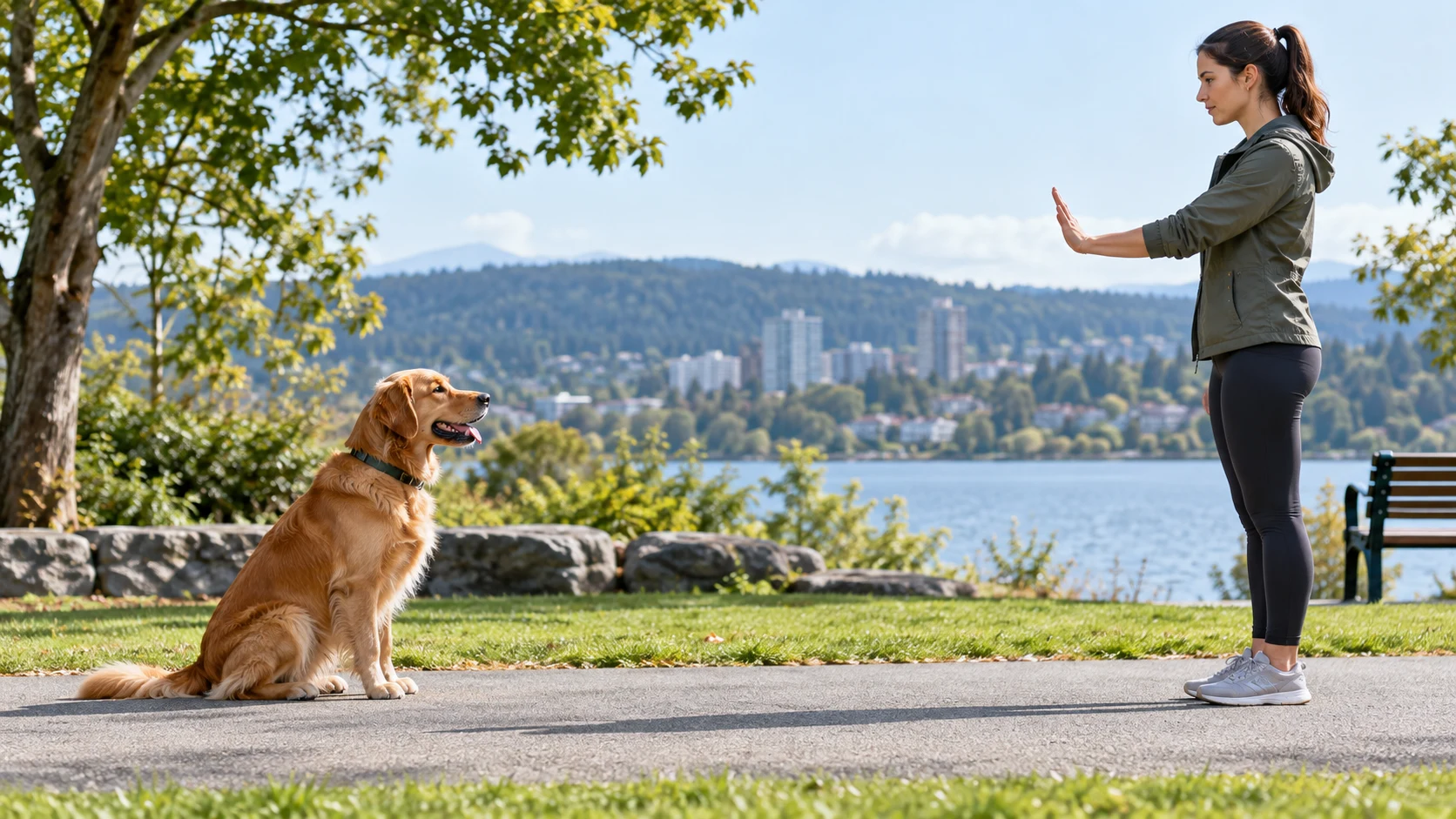
Before the dog takes the item, leave it is the better cue. Keeping the two skills distinct prevents ambiguous expectations and makes practice easier to organize.
The emotional goal matters too. Your approach should predict a safe exchange, not a chase or struggle over possessions.
Choose training objects that make cooperation easy
Start with a safe toy the dog likes but does not value intensely. Prepare small high-value food rewards or a second toy the dog prefers. Practice in a quiet place where you do not need to compete with other dogs, children, or exciting activity.
Do not begin with stolen socks, food wrappers, bones, or anything the dog is likely to guard. The first sessions should create a predictable trade pattern with little conflict.
Teach “drop it” step by step
Step 1: Create a voluntary release
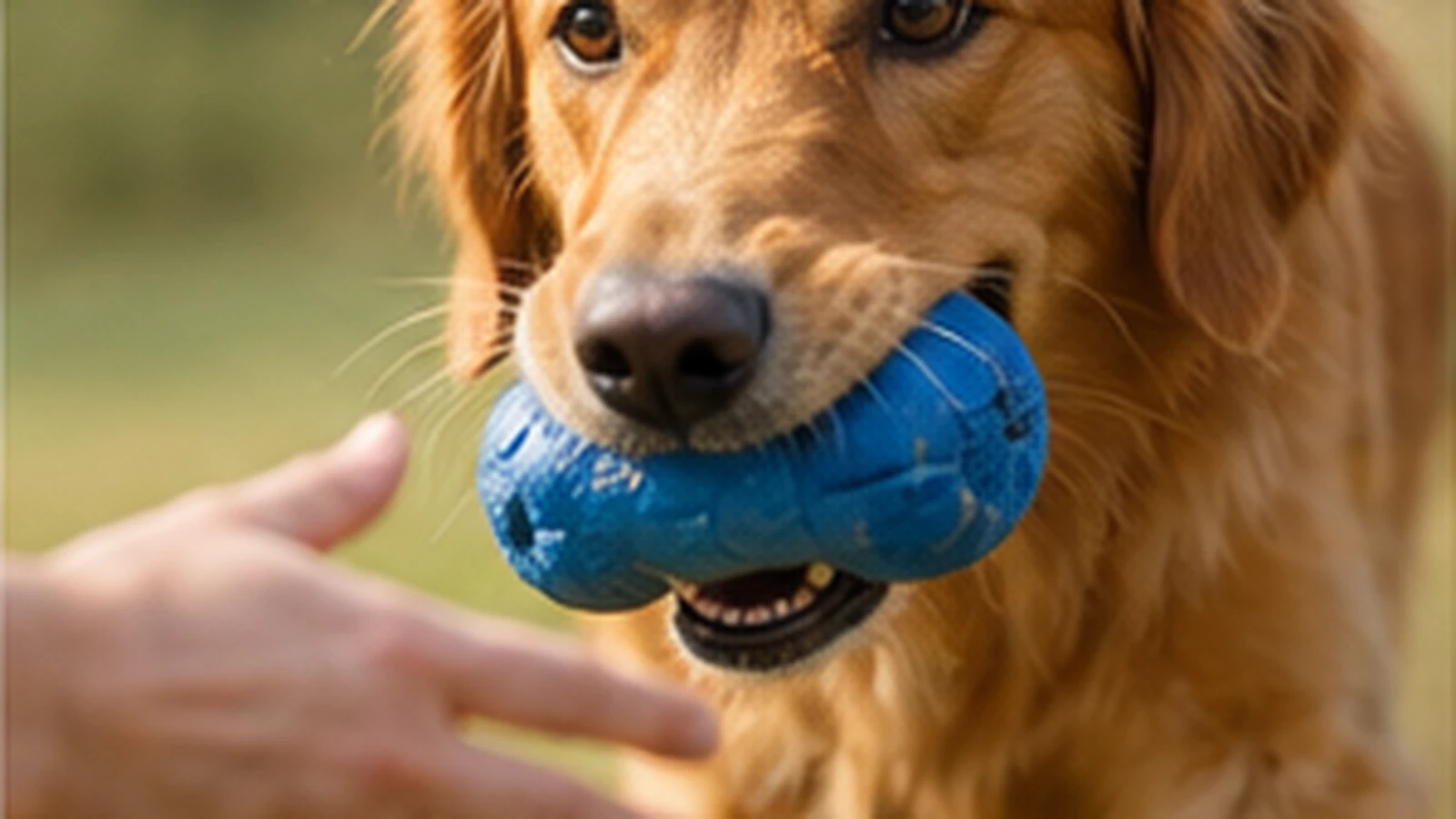
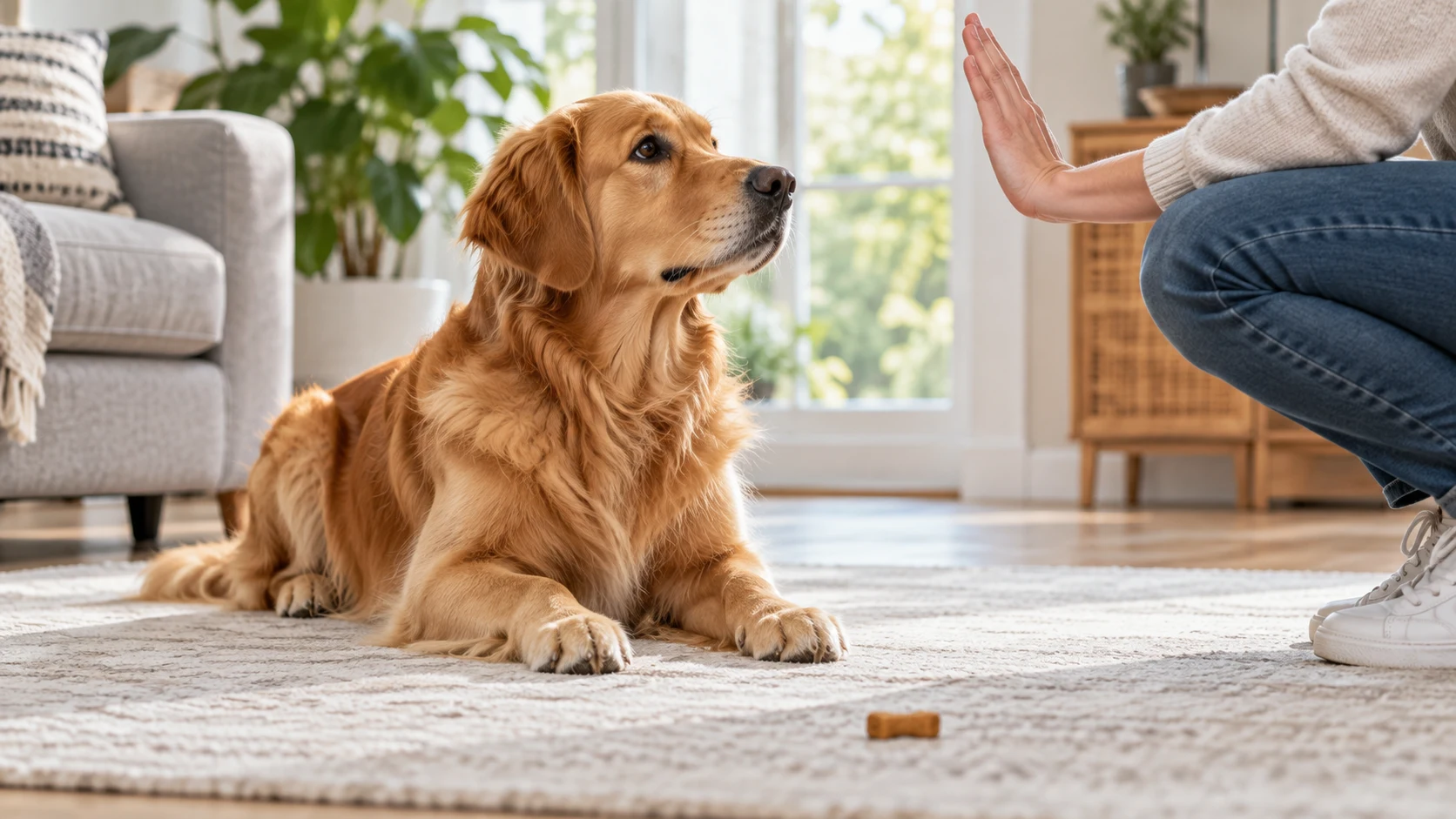
Let the dog take the low-value toy. Present or toss a better reward close enough that the dog chooses to open their mouth. The instant the toy leaves the mouth, mark the release and allow the dog to take the reward.
At this stage, do not say “drop it” repeatedly. You are building the behavior before naming it.
Step 2: Return the safe toy after the trade
When practical, give the toy back after the dog has eaten the reward. This teaches an important pattern: releasing an item does not always mean losing it forever.
A dog who expects every human approach to end possession may become reluctant to bring or release objects. Returning safe items keeps cooperation valuable.
Step 3: Add the cue just before the predictable release
After several easy repetitions, you should be able to predict when the dog will open their mouth for the trade. Say “drop it” once immediately before that moment, then mark and reward the release.
When the dog does not release, do not repeat the cue more forcefully. Improve the trade or use an easier object.
Step 4: Move the visible reward out of the picture
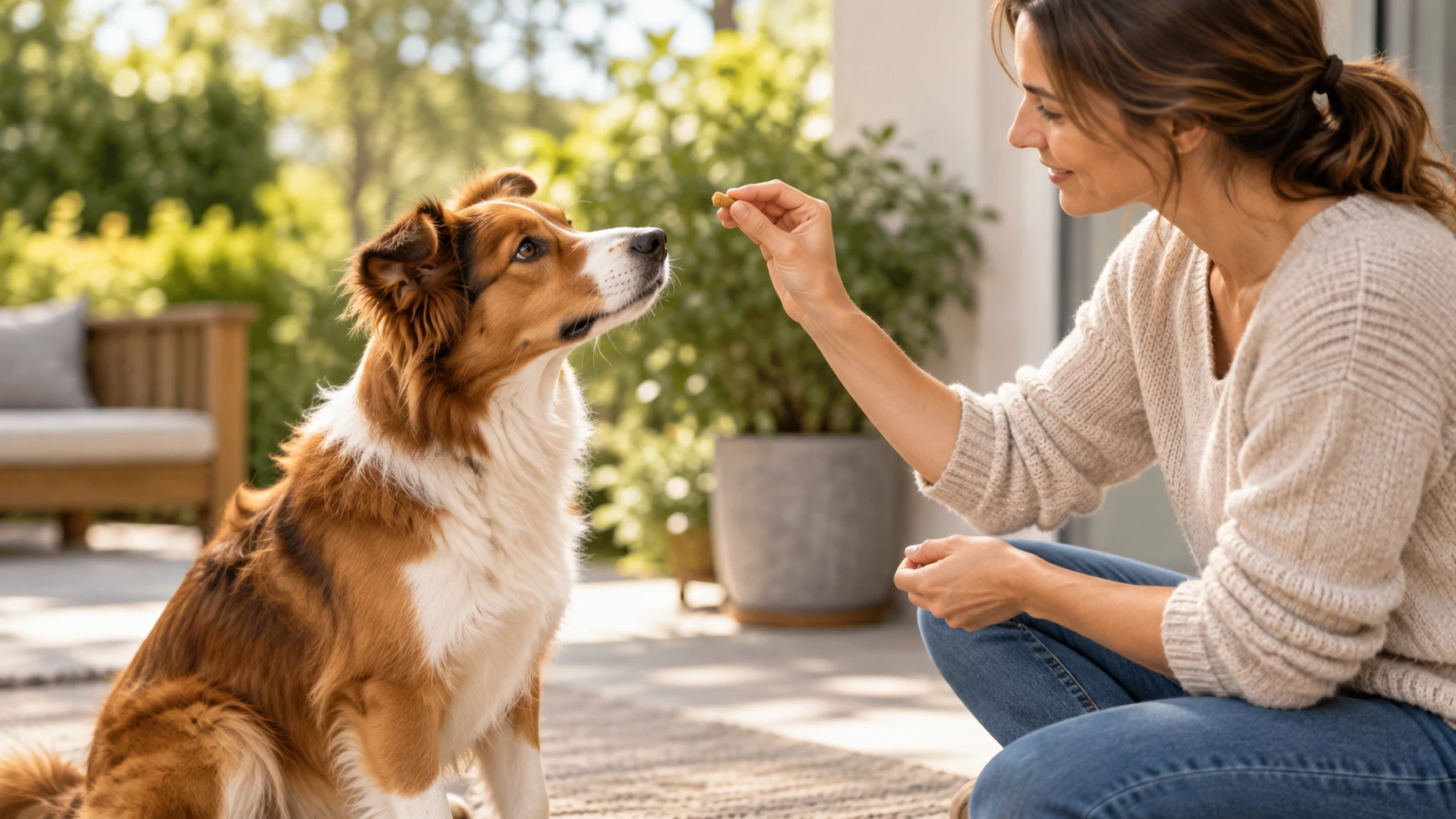
Once the cue predicts the behavior, keep food in a pouch or behind your back. Say “drop it,” wait for the release, then mark and produce the reward.
This is prompt fading, not the end of reinforcement. The dog learns that seeing food first is unnecessary while successful releases still pay.
Step 5: Use play as part of the reward
During tug or fetch, the next round of play can reinforce dropping. Cue the release, mark it, then restart the game or throw the toy again.
This makes “drop it” compatible with keeping the game going rather than predicting that play ends every time the dog cooperates.
Step 6: Generalize across safe objects and locations
Practice with several toys, then other safe objects of gradually increasing value. Change one variable at a time. A new object in the living room is easier than a high-value object outdoors around distractions.
Keep the reward strong when the object becomes more valuable. Reliability with one toy does not automatically transfer to every item a dog may pick up.
Proof the cue with a value ladder
| Training level | Example | What must stay easy |
|---|
| Low | Familiar toy indoors | Quiet, high reward |
| Moderate | Different safe object | Close and quiet |
| Higher | Favorite toy during play | Short paid reps |
| Generalization | Safe object in a new location | Reset distraction level |
Do not include genuinely dangerous objects in the ladder. Emergency items are not training props.
Troubleshoot the exchange
The dog takes the reward and grabs the object again. Feed the reward away from the item, pick it up while the dog is eating, or use a second toy so the exchange remains clean.
The dog stops picking up the training object. The food may have become more interesting than the object. Use a less distracting reward or switch to a two-toy game.
The dog runs away with objects. Do not chase. Chasing can become part of the game. Reduce access to stealable items while you build the trade behavior with safe objects.
The cue works for toys but not stolen objects. That is a value and context gap. Practice with a broader range of safe items; do not test the cue first on something the dog already guards intensely.
Guarding and emergencies are different problems
If the dog stiffens, freezes, growls, shows teeth, snaps, or bites when people approach possessions, do not keep escalating trades as a do-it-yourself challenge. Resource guarding can carry real bite risk and is better handled with an individualized behavior plan.
A swallowed or potentially swallowed dangerous object calls for veterinary or emergency guidance rather than more training. A training cue can be useful, but it should not delay appropriate care.